Why visit the Lot by motorhome?
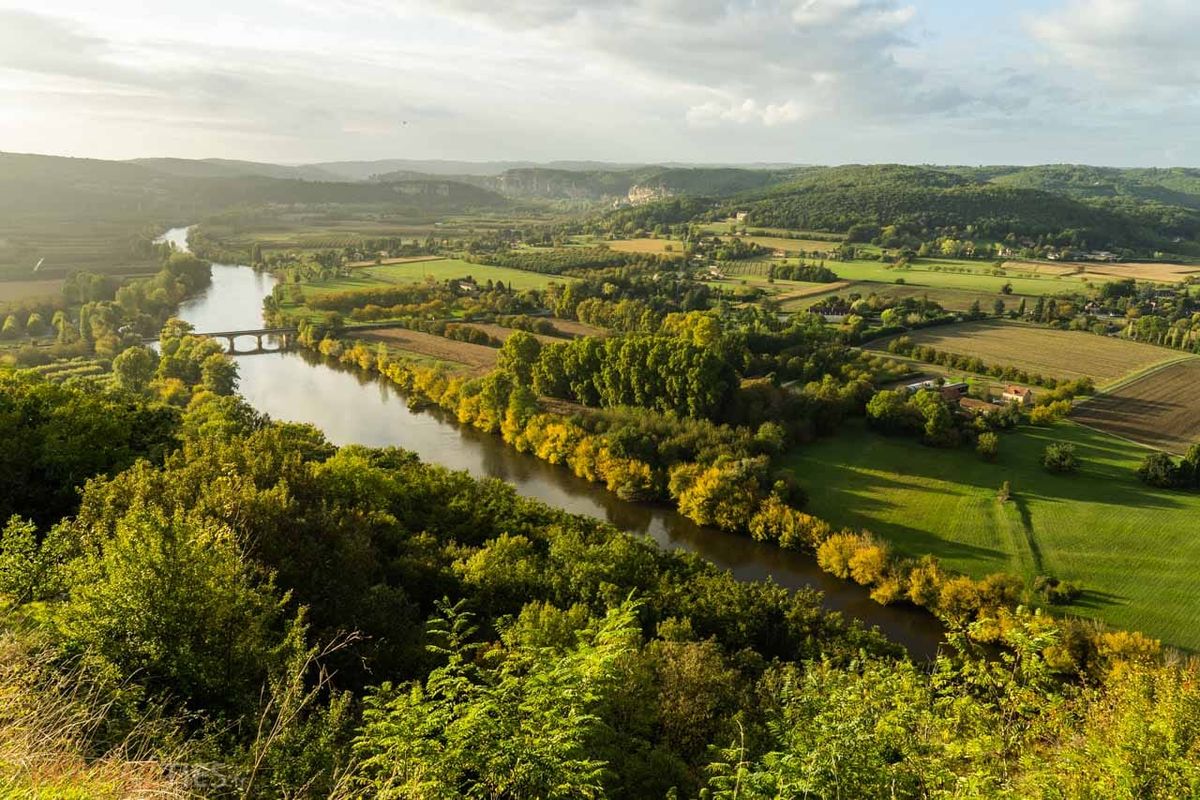
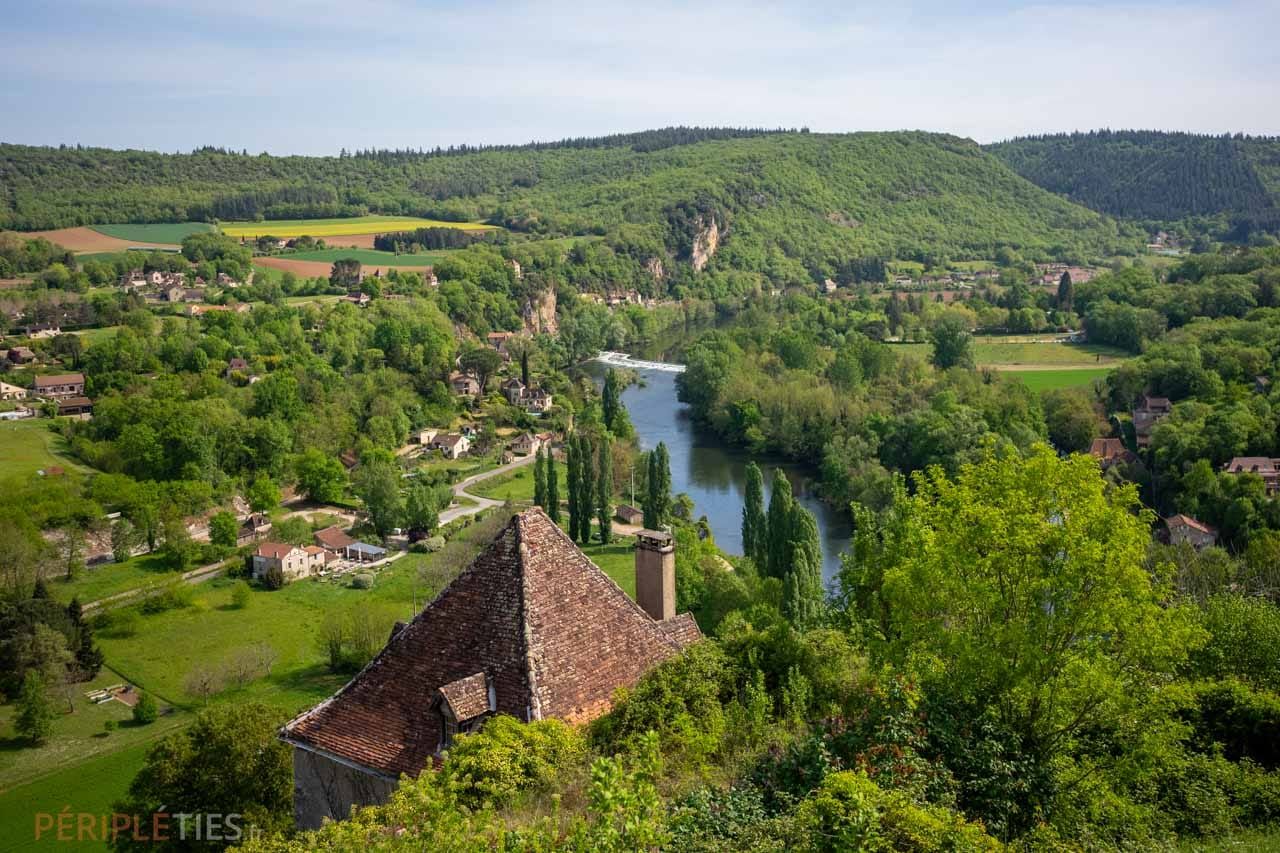
Quieter than neighbouring Dordogne, the Lot has kept a low-key, unspoilt feel, where you slip easily between wild countryside and characterful villages, usually well away from the crowds. (The Lot is a département in south-west France, just south-east of the Dordogne.)
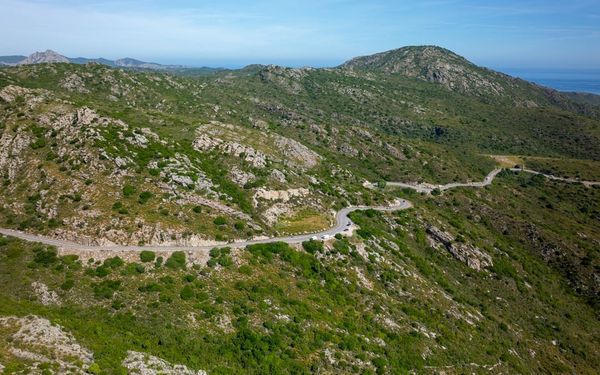
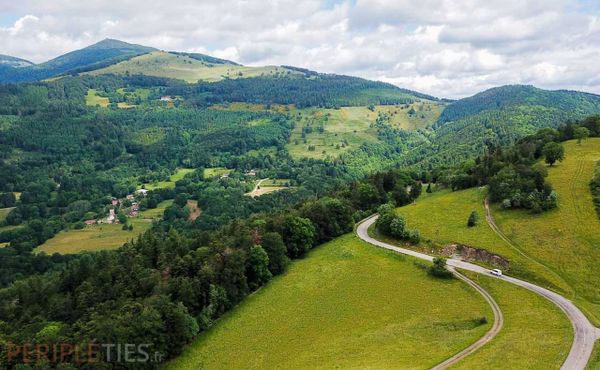
Between the green valleys of the Lot and the Célé and the more arid limestone plateaus of the Causses du Quercy, the scenery keeps changing without ever growing dull.
It is the perfect playground for a slow road trip, where you take time to pull over for a viewpoint, a hilltop village or a quiet riverbank.
Our highlight in the Lot: a Célé Valley road trip in a converted vehicle
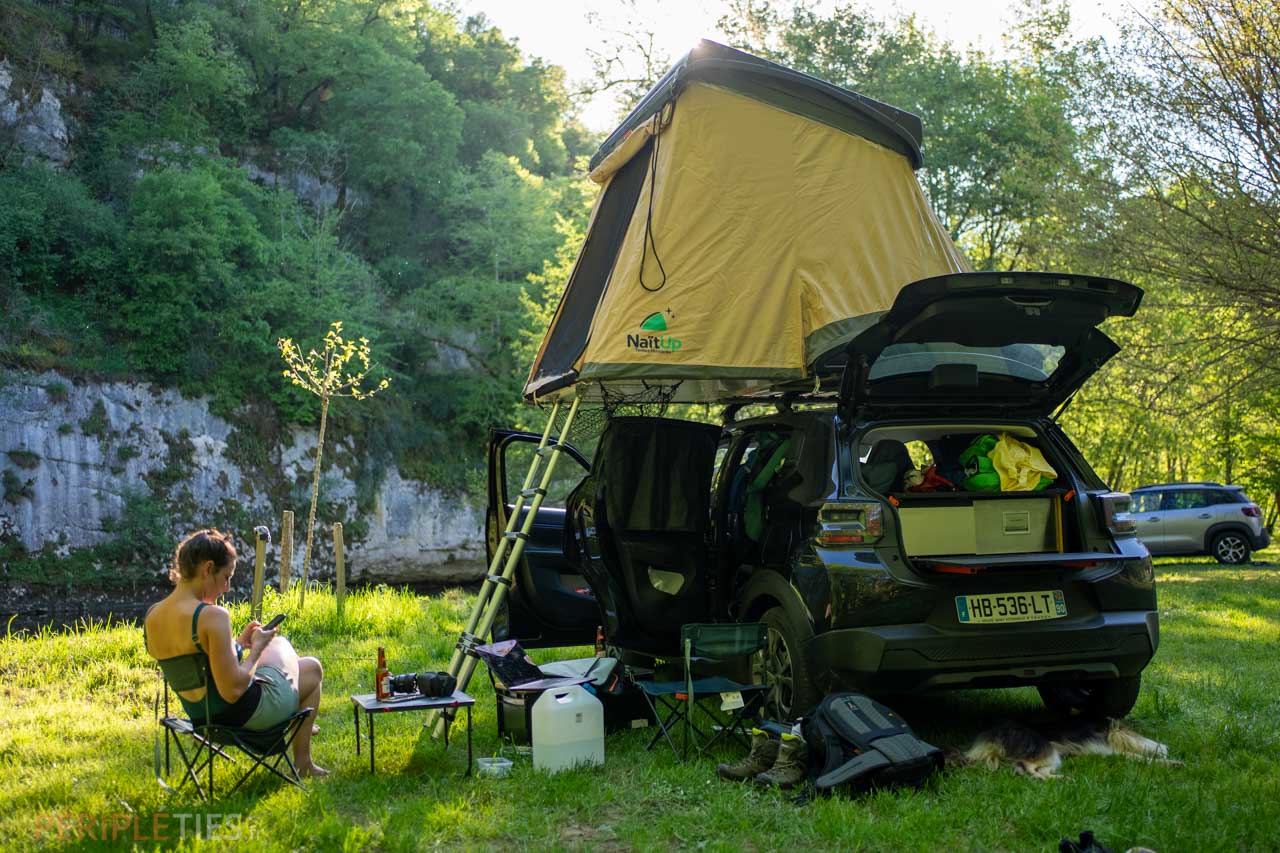
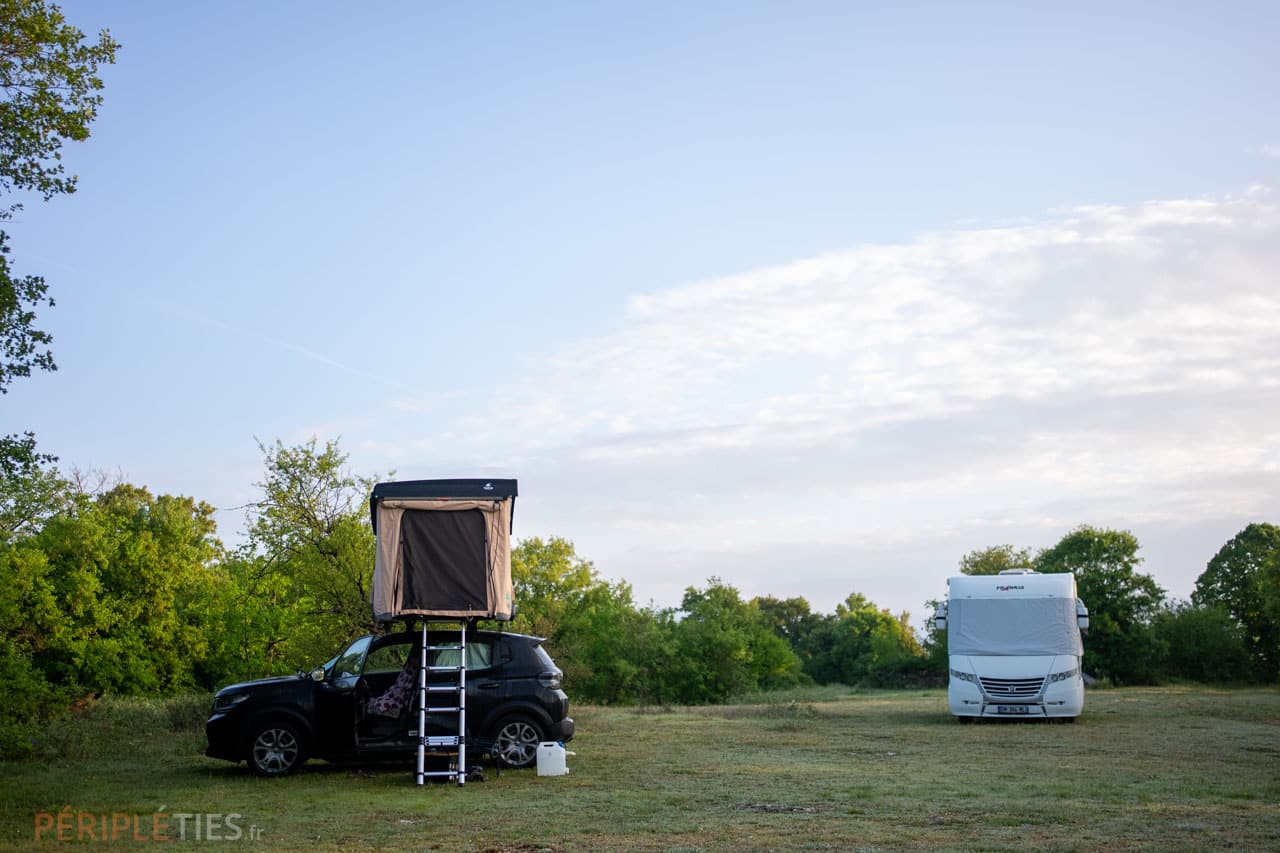
We had already toured the Dordogne-Périgord by motorhome a few years back. For this April trip we chose a more off-the-radar route instead, in a converted electric car, between the Célé Valley and the Causses du Quercy.
Where is the Célé Valley?
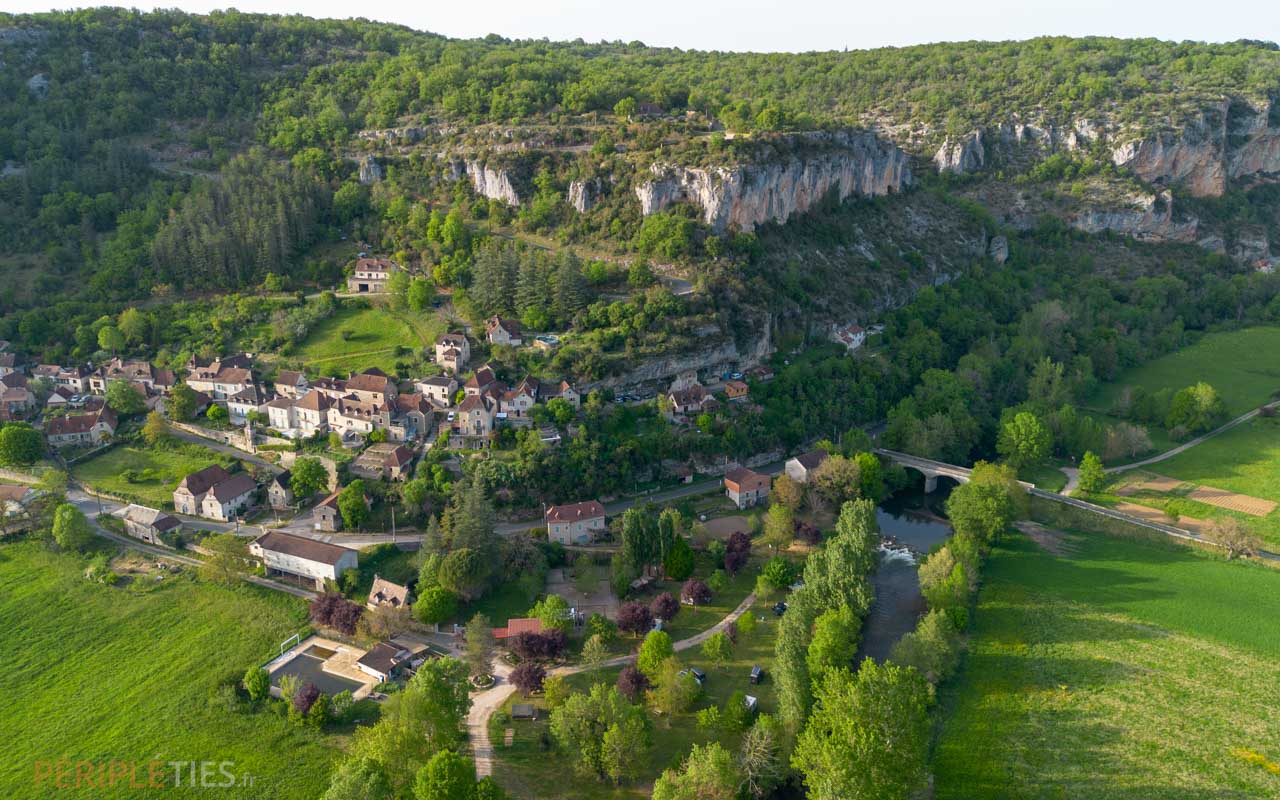
The route largely follows the Célé Valley, between Cabrerets and Figeac, passing through villages like Marcilhac-sur-Célé, Sauliac-sur-Célé and Espagnac-Sainte-Eulalie.
Cahors to Figeac: can you do this route by motorhome?
This route is perfectly doable in a motorhome or campervan (we did it in our new car set up for sleeping). That said, we would steer larger vehicles away from July and August: some roads are narrow, with tricky passing places.
For a more relaxed trip, aim for spring or early autumn: traffic is very light, the scenery is gorgeous, and you get the full sense of space and calm that makes the Lot so appealing.
What to do in the Célé Valley
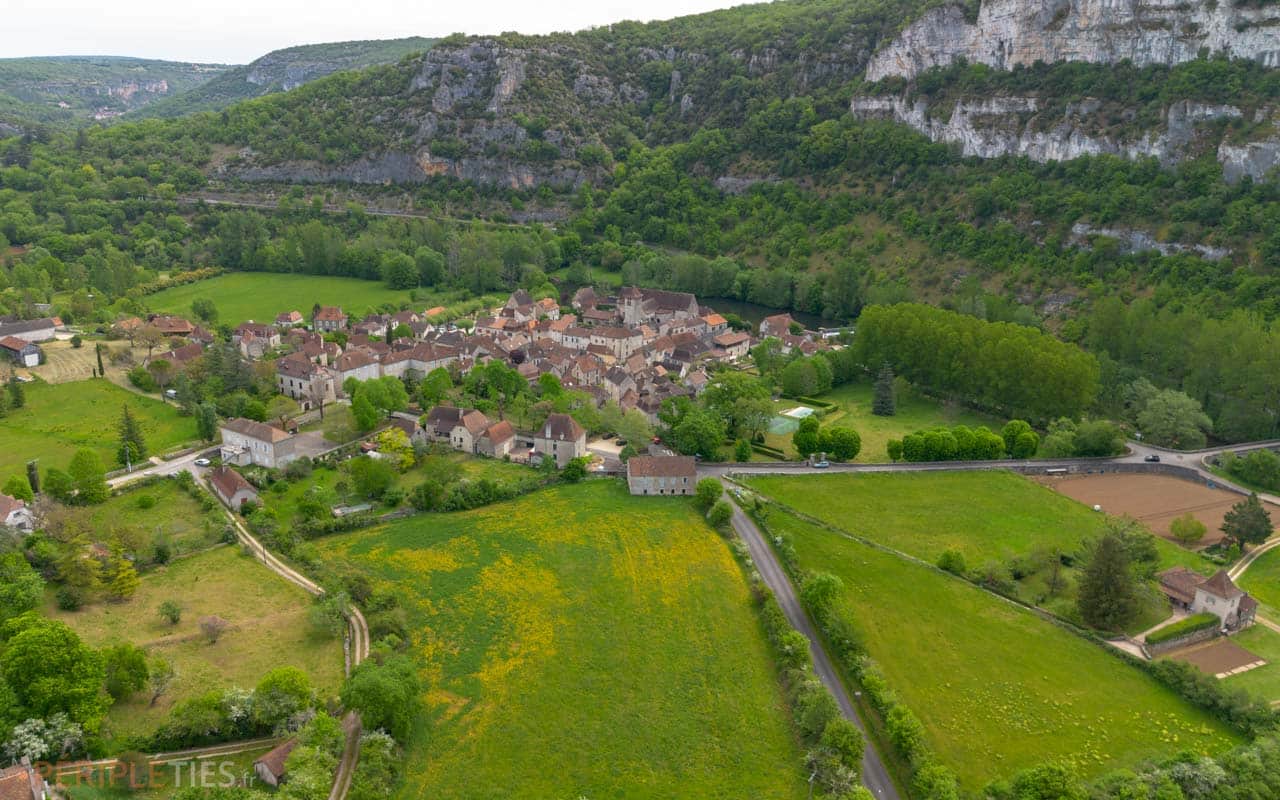
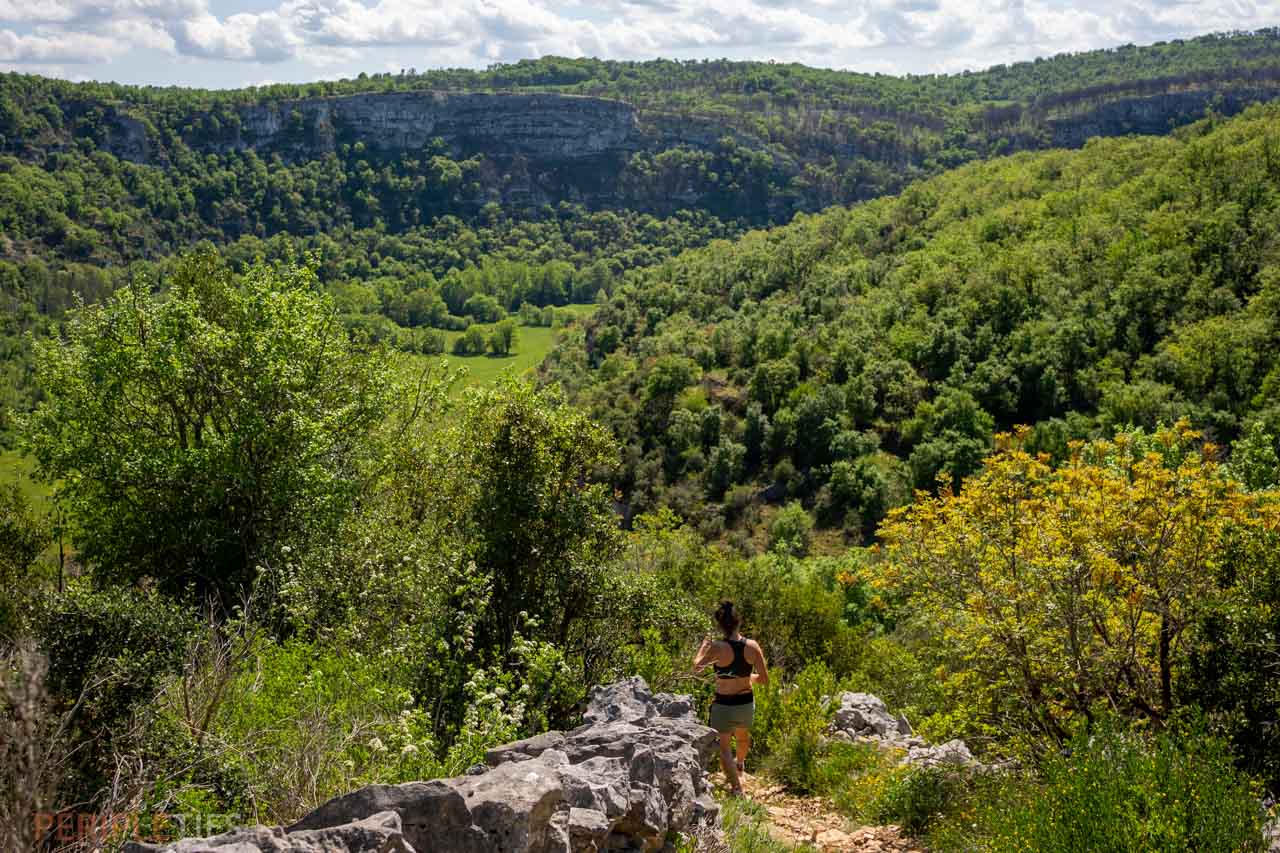
The Célé Valley is an experience in itself: limestone cliffs, little villages clinging to the rock, viewpoints at every turn. It is an ideal road-trip route. You can also hike, canoe on the Célé, swim in wild spots, explore lovely villages, stargaze (in the Quercy dark-sky reserve) and tuck into good local food.
More on all of that below! 😉
Cahors: our first stop in the Lot Valley
We arrived in the Lot via Cahors. Rolling in on a Saturday market morning, we found a town buzzing with life: colourful stalls, local produce and a warm atmosphere that pulls you straight in!
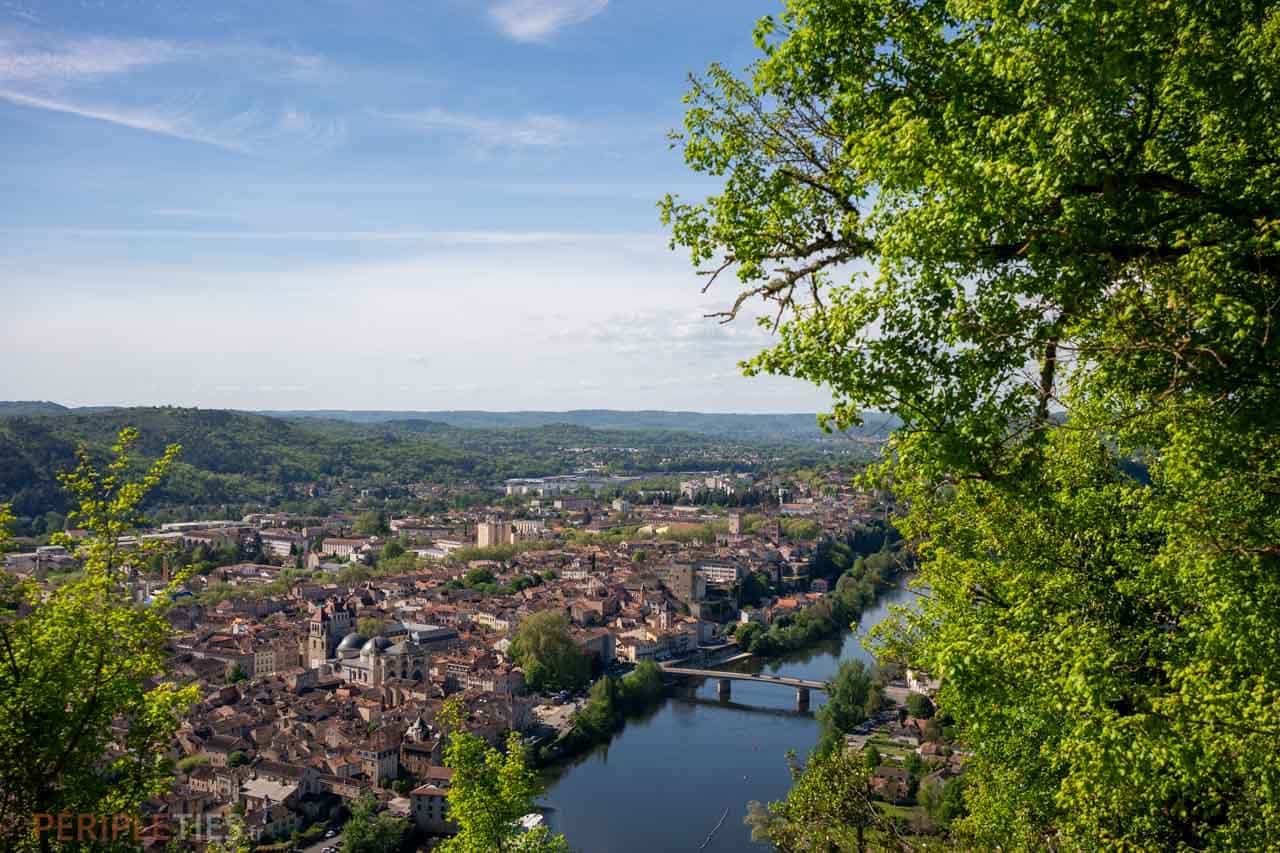
The historic centre, cradled in a loop of the river Lot, is full of character: old houses, lively lanes and, of course, the famous Pont Valentré spanning the river. We honestly did not expect such a lively welcome, and it completely changed how we saw the Lot within the first few hours.
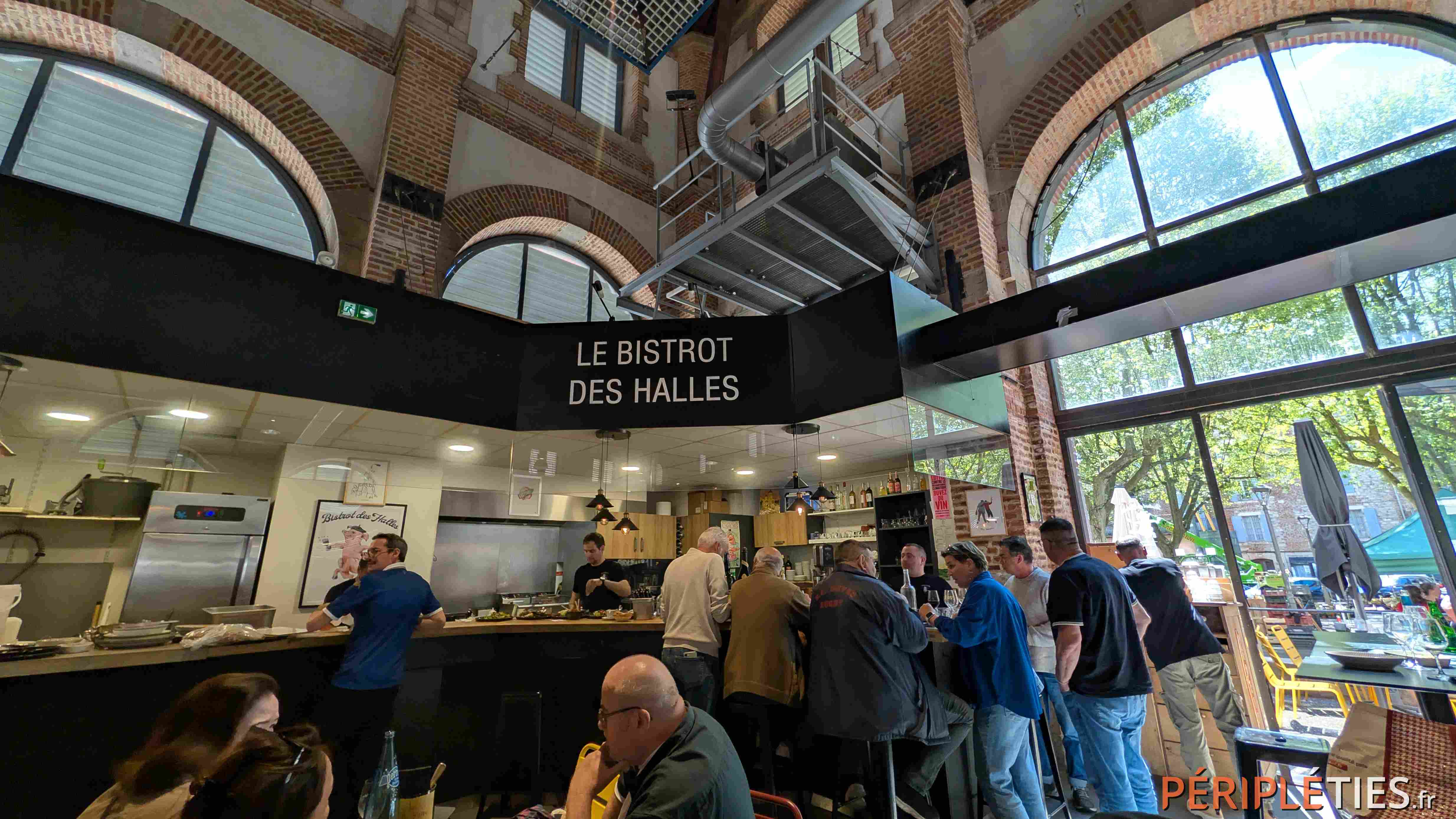
Where to eat: if you are in Cahors for lunch, we recommend Le Bistrot des Halles, a restaurant with all the buzz of the market stalls.
Saint-Cirq-Lapopie: a must-visit
Perched on a cliff face above the Lot, Saint-Cirq-Lapopie is a real highlight of any trip through the area.
From the first lanes we were swept up in the atmosphere: stone everywhere, steep cobbled passages, artisans workshops, and at every turn a view opening onto the valley.
You quickly see why it is listed among the official Plus Beaux Villages de France (Most Beautiful Villages of France), and why it draws such crowds in peak season.
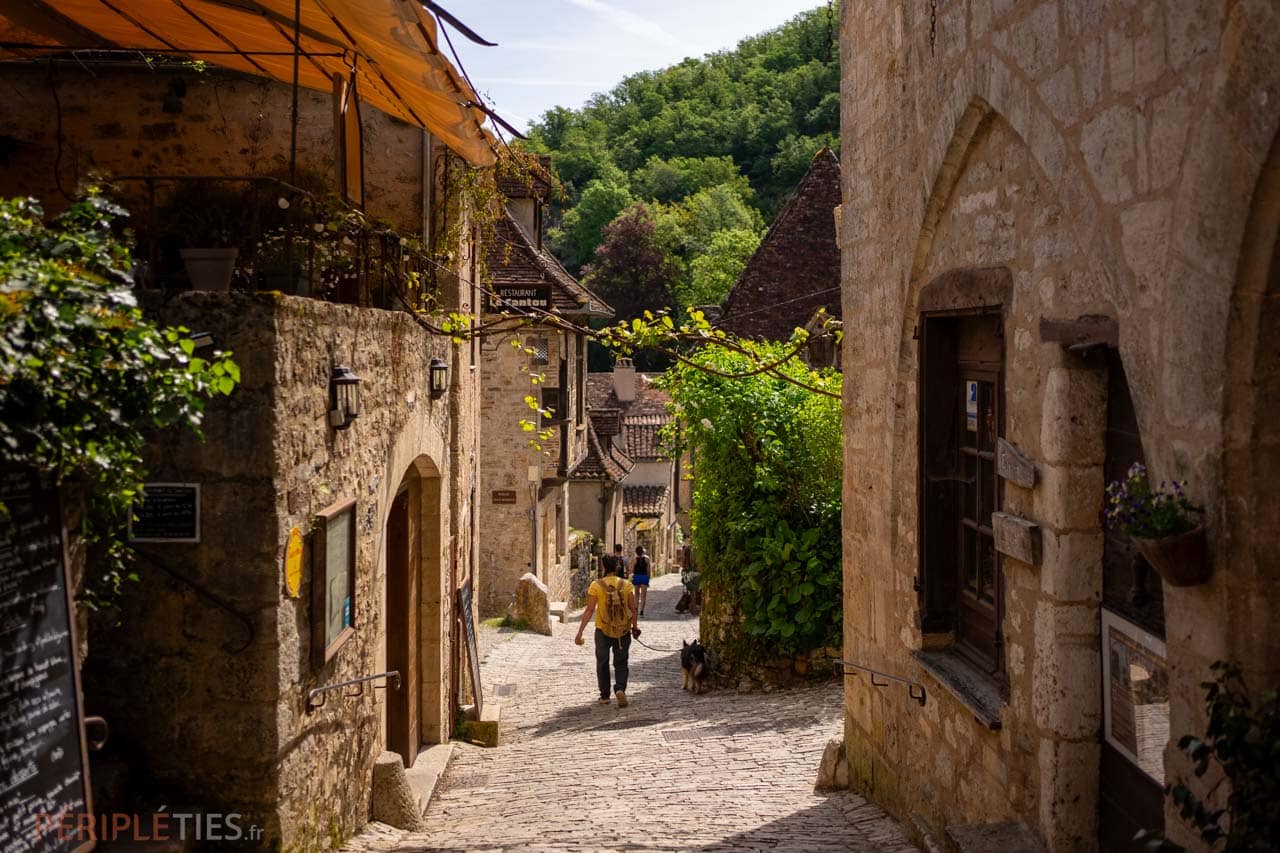
We discovered it in spring, probably the best time: peaceful, with a manageable number of visitors so you can really enjoy it.
We sat down at Le Gourmet Quercynois, beautifully cooked traditional regional food in a genuinely calming setting, with its terrace and the heady scent of wisteria. A treat for the senses!
Parking a motorhome at Saint-Cirq-Lapopie
For access, six car parks (P1 to P6) ring Saint-Cirq-Lapopie. Most take motorhomes (size depending), with a daily flat fee of around €6, similar to the car rate.
These car parks make it easy to visit the village, but overnight parking is not allowed for motorhomes, except, according to the Cahors tourist board, at P1 below the village.
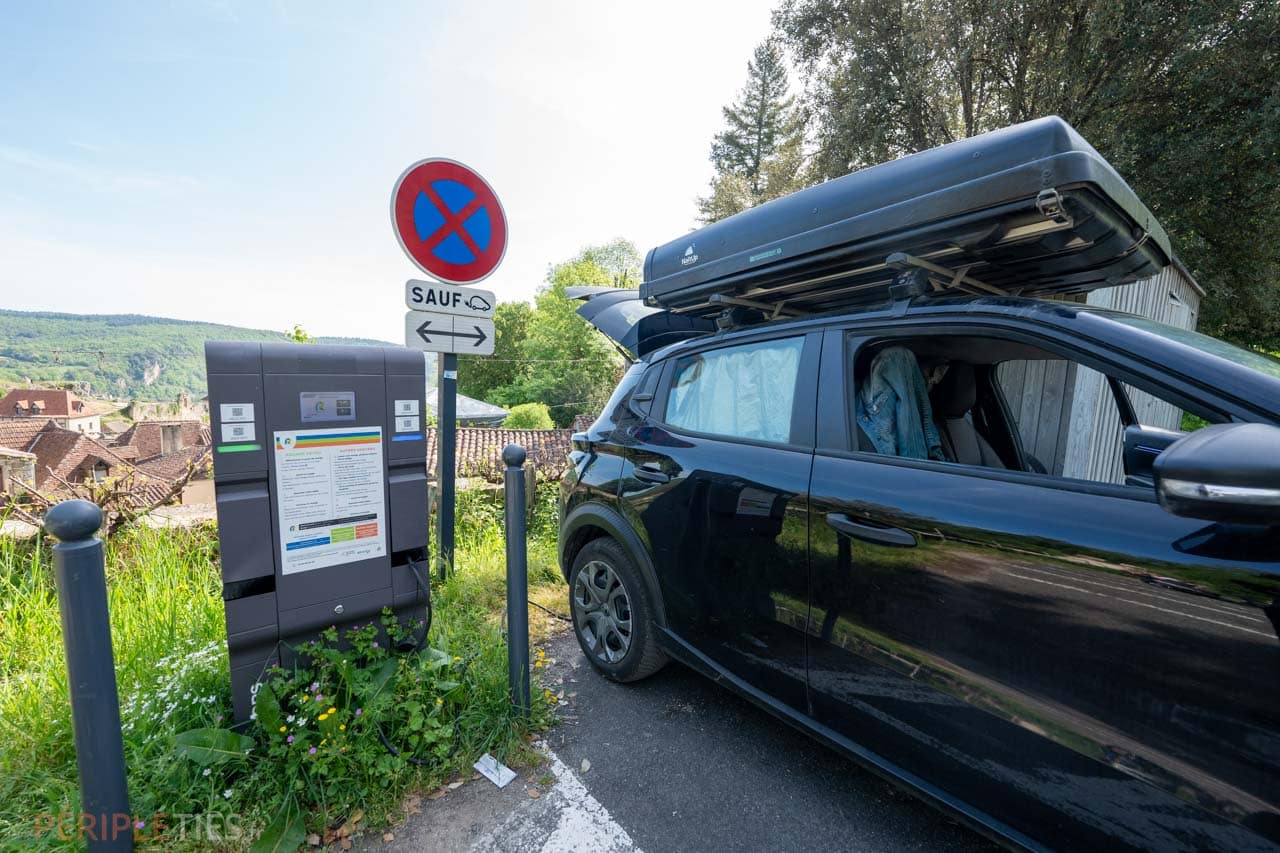
Our top tip: the aire at Saint-Cirq-Lapopie beach
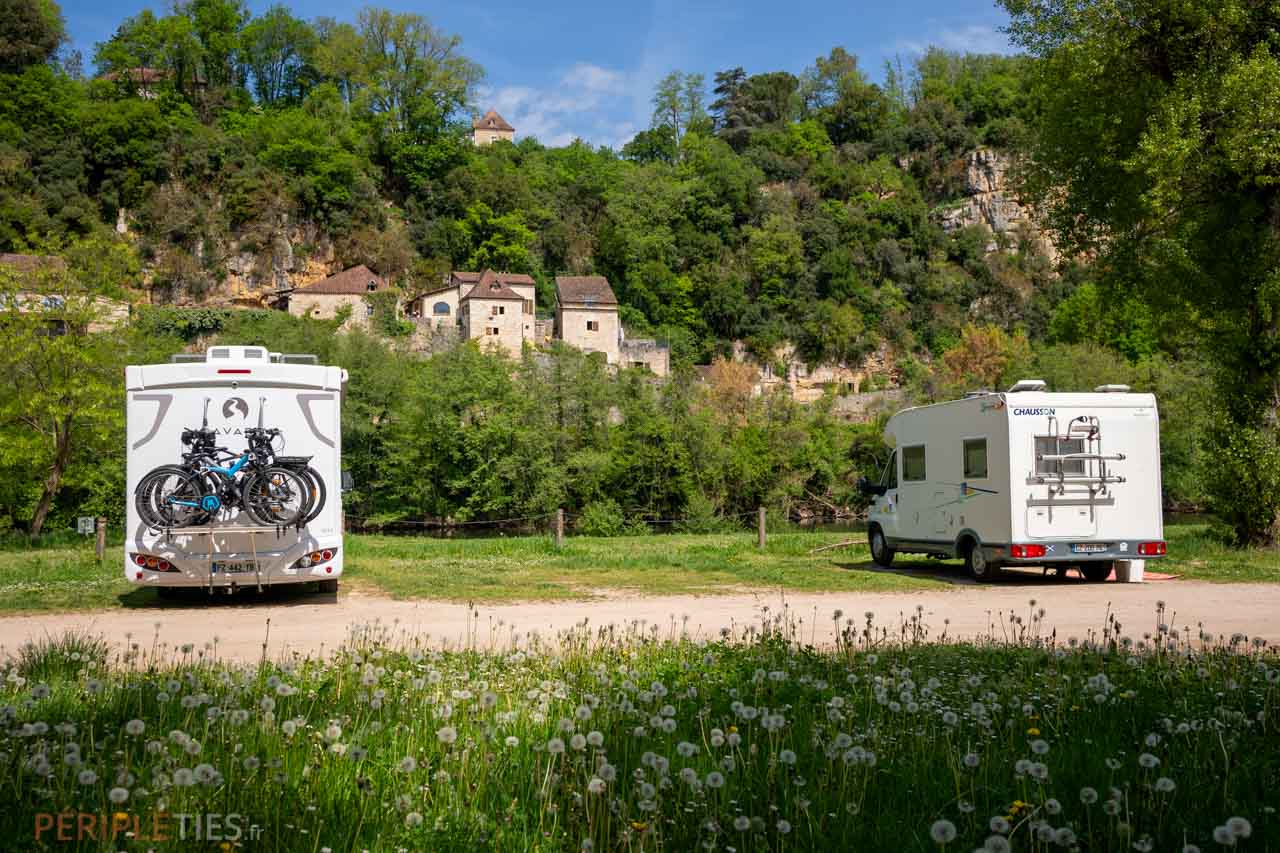
If you want a nice spot to sleep near Saint-Cirq-Lapopie, our clear favourite is the aire de la plage (a dedicated motorhome stopover by the beach) a few kilometres from the village. Set on the bank of the Lot, it is calm and natural, with direct access to the Bouziès towpaths.
From the aire you can walk to the village (about 15 to 20 minutes). It costs roughly €12 a night, with services available as paid extras. For a longer stay, the neighbouring Bouziès beach campsite also has a lovely setting.
Bouziès beach campsite: see prices
The Bouziès towpaths: a one-of-a-kind riverside walk
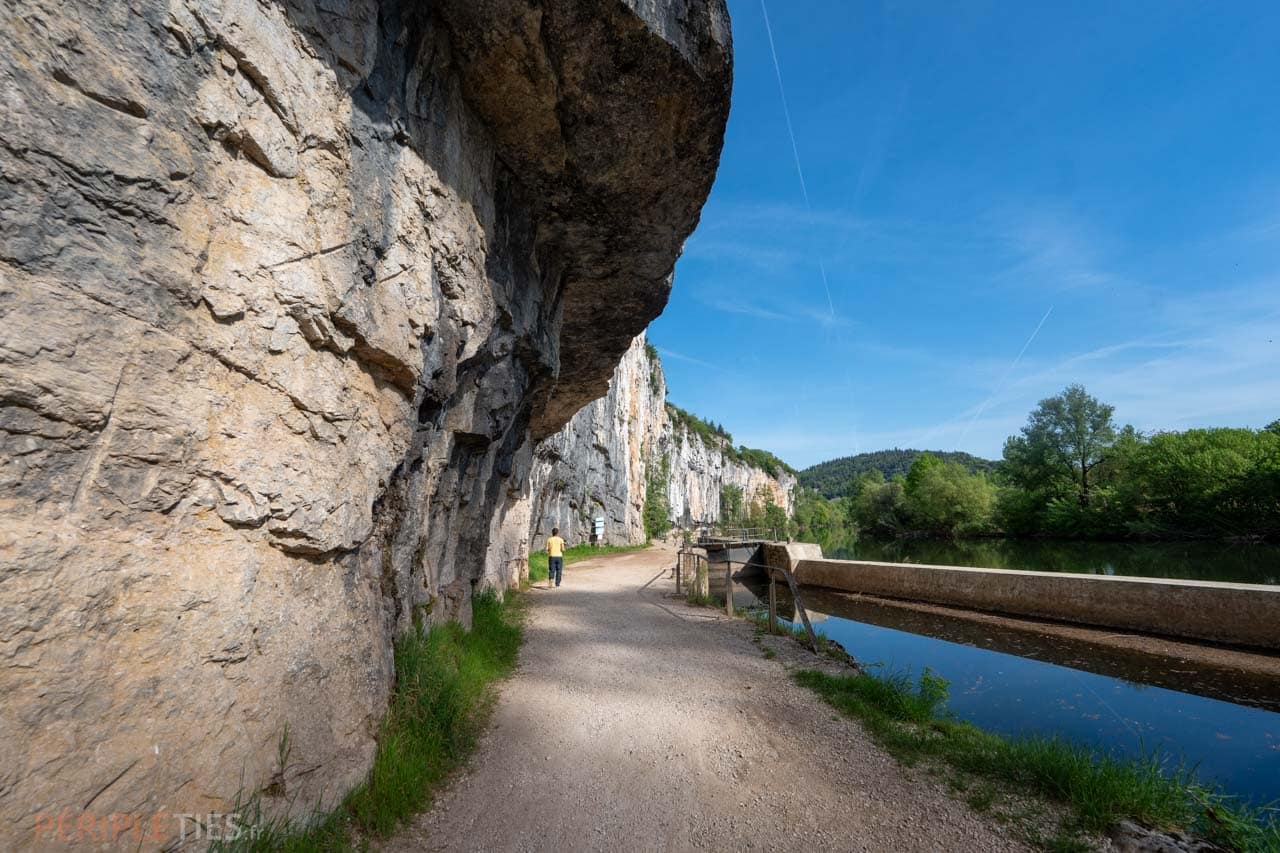
A few kilometres from Saint-Cirq-Lapopie, the Bouziès towpaths are a must. Carved straight into the rock in the 19th century, they were once used to haul gabares, traditional cargo boats pulled by horses along the Lot. Today they make a striking walk at the foot of the cliffs, between the river and the sculpted rock face. For a different angle, you can also cruise the Lot on a little electric boat from nearby.
Where to swim in the river Célé
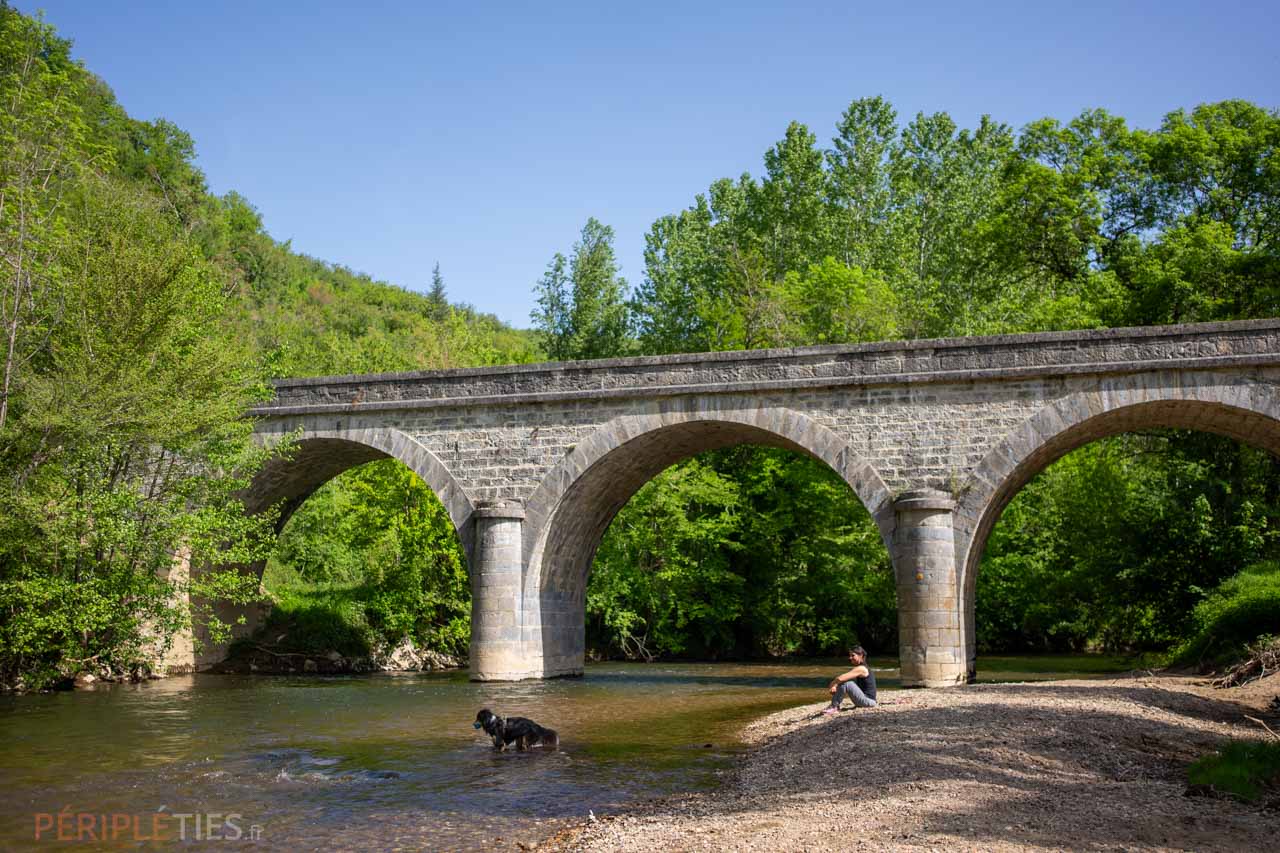
After following the Lot Valley, we headed into the Célé Valley proper. It feels wilder, more intimate, almost secret. It is a brilliant place to enjoy the water: there are lots of little natural beaches where you can swim along the banks of the Célé, perfect for a dip.
Swimming from the villages or campsites
They are often reachable straight from the villages or campsites. The water is usually clear, shallow in places, and the mood stays very peaceful, especially off-season.
Among the nicest spots, stop near Marcilhac-sur-Célé, Sauliac-sur-Célé or Cabrerets, where river access for a cool-off is easy to find.
Outdoor activities in the Célé Valley (the Lot)
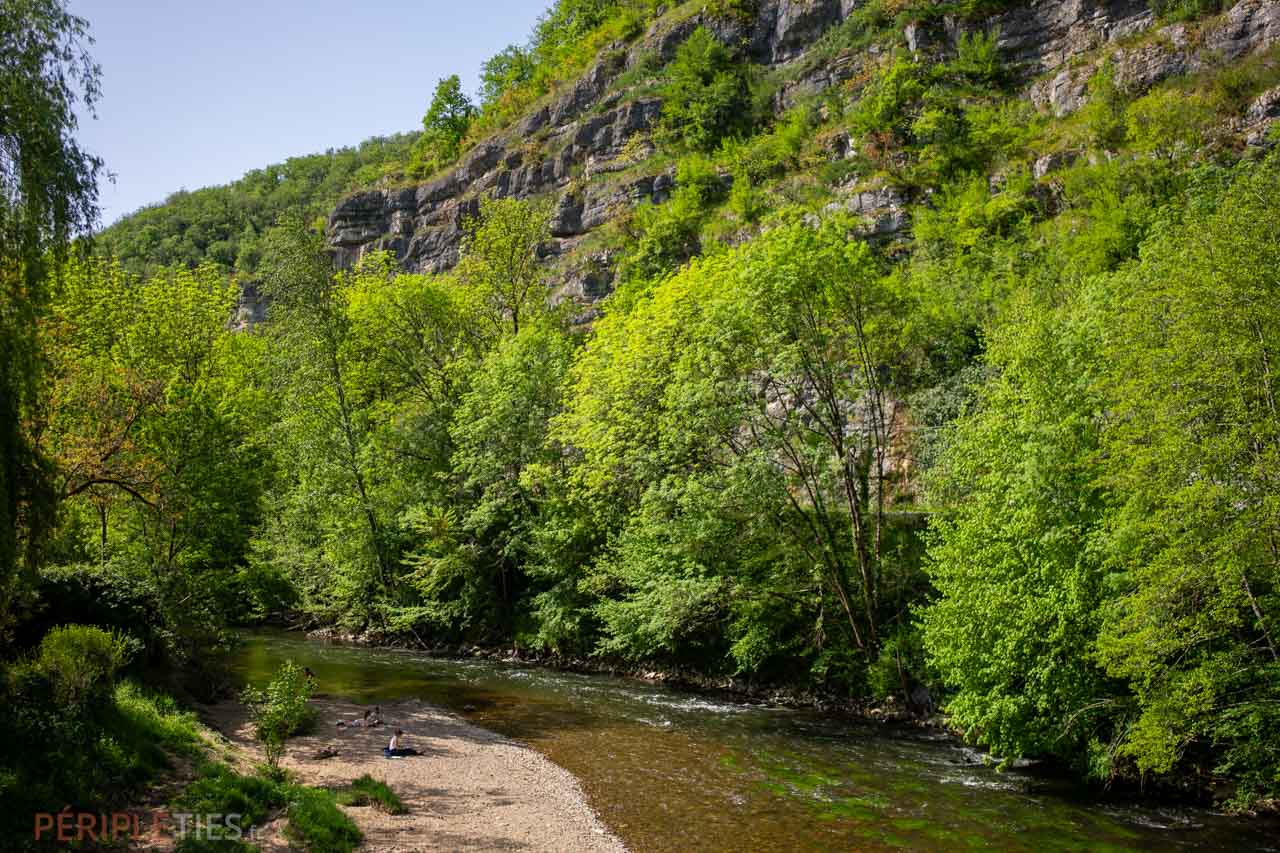
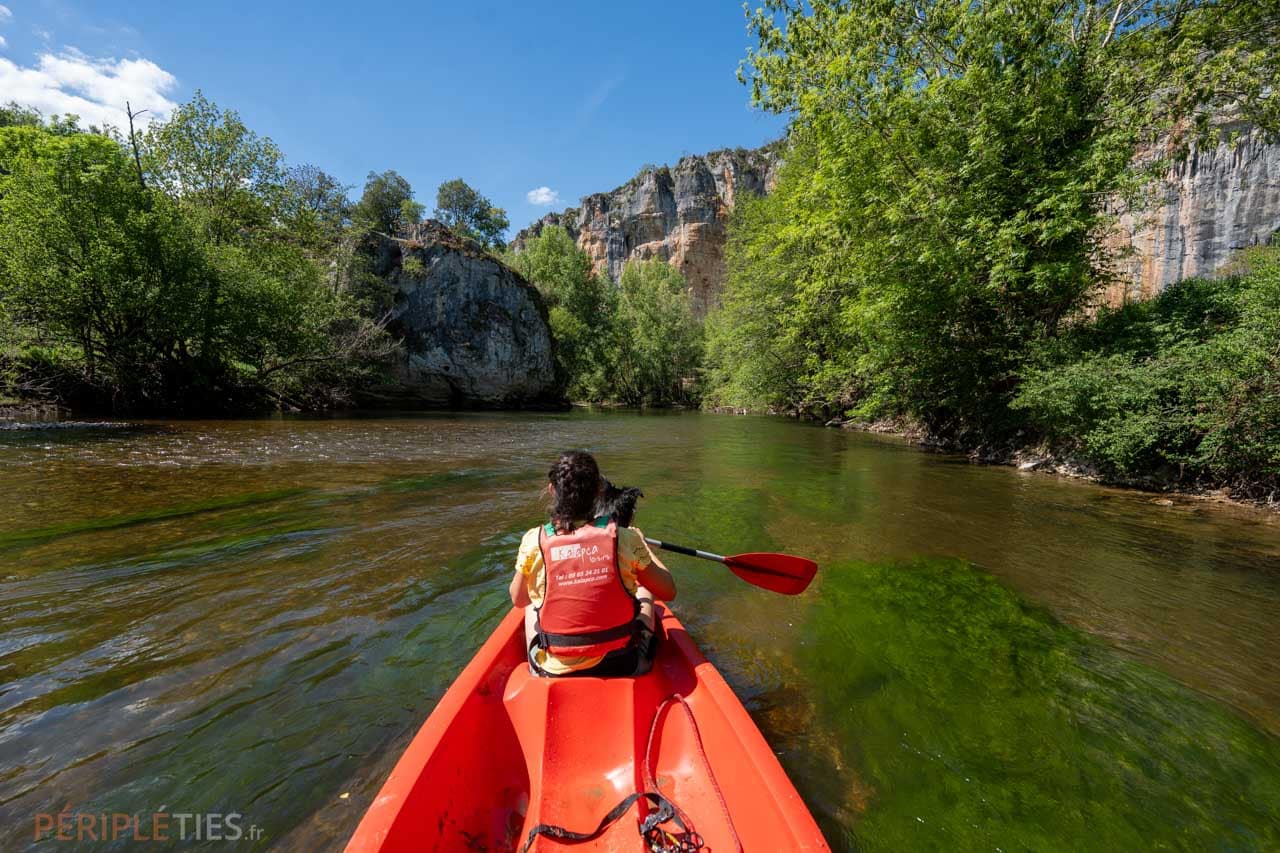
It is also a great base for sport and the outdoors: canoeing and kayaking, caving, via ferrata. For us, water was the way to explore the valley, by canoe from Cabrerets with the Kalapca Loisirs base.
From the very first paddle strokes you are plunged into a unique atmosphere: white cliffs, heritage lining the water, dense greenery, and a silence broken only by the sound of the water, the birds and the frogs.
Canoeing the Célé with a dog
If you are in the area, do try at least one stretch of the Célé by canoe. It is one of the loveliest ways to discover the valley.
The 4 km (2.5-mile) route is easy; the 8 km (5-mile) one has a few small rapids. You need a little boat-handling, but there is no real risk of tipping over.
A nice bonus: we got to do it with our dog, which made the moment even better! Well, better for us than for him, since ours was rather pleased to get his paws back on dry land!
Where to hire a canoe in the Célé Valley
Kalapca Loisirs, departing from Cabrerets. Several routes (from 2 hours to a full day), €20 to €30 per person, gear and shuttle included, beginner-friendly, dogs welcome.
Campsites and places to stay in the Célé Valley
There are several campsites along the Célé Valley, often beautifully set by the water. Bear in mind that many only open from May.
During our trip we stayed at the municipal campsite in Cabrerets (Le Cantal) and then at Camping Le Célé in Saint-Sulpice, two simple, natural and very pleasant spots. The Bouziès beach campsite near Saint-Cirq-Lapopie is a smarter, more upmarket option.
You can also camp on private land by booking a pitch through Campspace. A few pitches are available along the Célé Valley. Booking for the first time, you can use our code for 10% off your stay via this link.
Budget-wise, reckon on roughly €17 to €25 for two off-season, with pitches often close to the river. An ideal way to soak up the calm and wild feel of the valley.
Camping Le Célé: book your pitch now
Visiting the Pech Merle cave: a unique experience
The municipal campsite in Cabrerets sits right next to the Pech Merle cave, making it an ideal base for visiting.
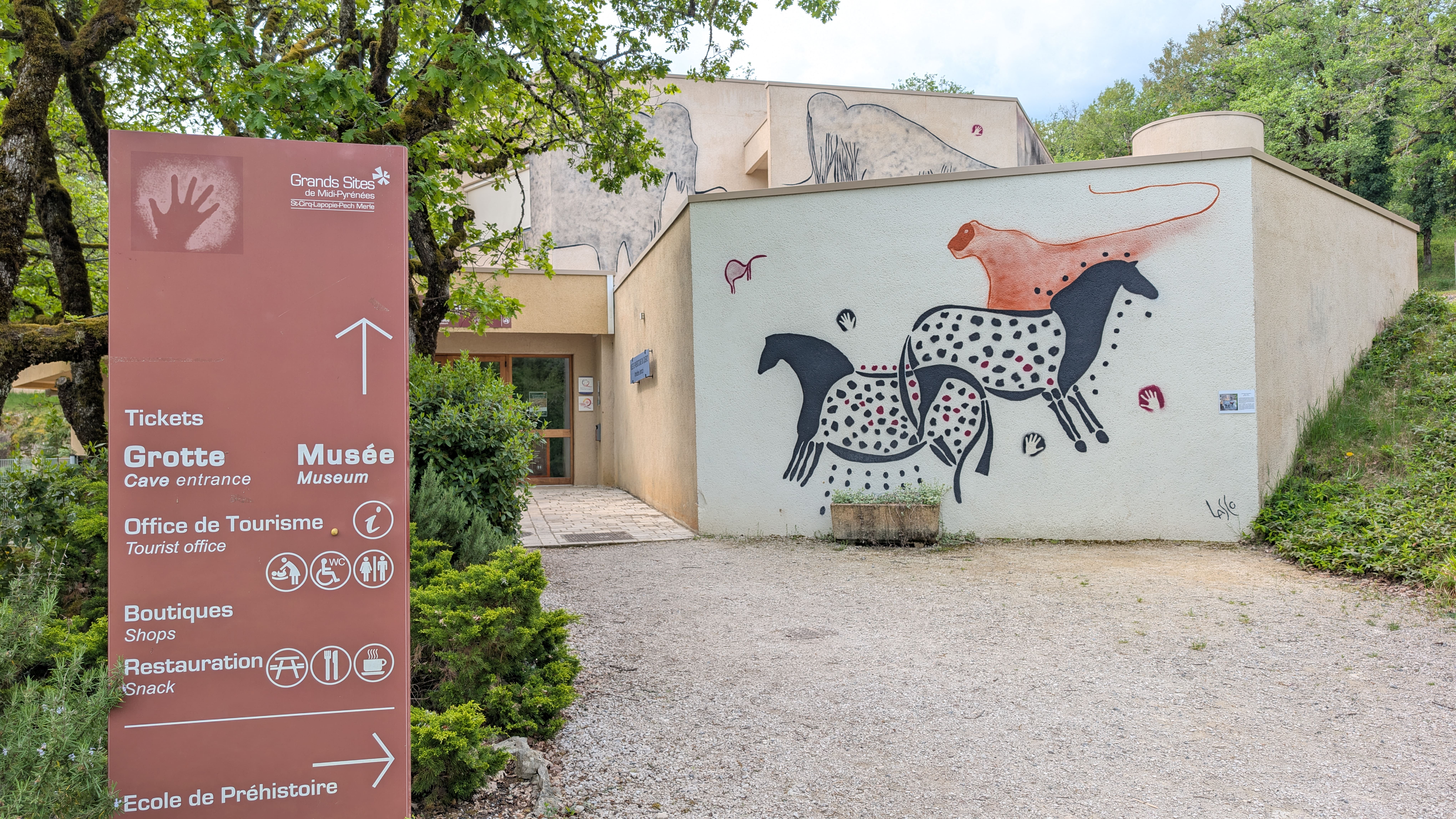
This is one of the few still-authentic sites in France. Unlike Lascaux, which we saw on our Dordogne trip and which is a replica, here you see real prehistoric paintings in their original setting.
The visit is in small groups, with an intimate feel, the artworks thousands of years old yet still perfectly visible. Between prehistoric art and rock formations, it is genuinely memorable.
Practical info: Pech Merle cave
The Pech Merle cave is visited on a small-group guided tour. Duration: about 1 hour. Booking strongly advised. Indicative price: €17/adult.
The Célé Valley villages: hiking and heritage
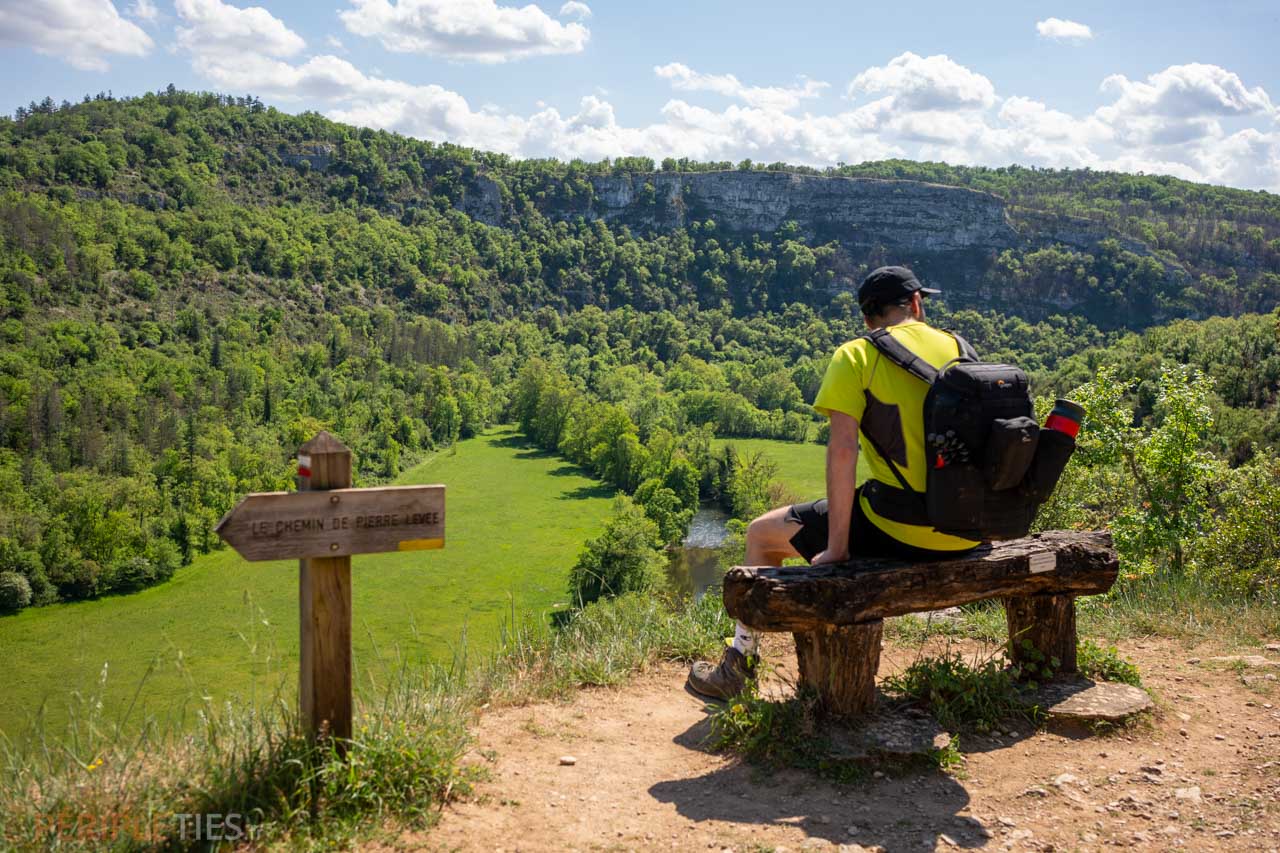
Following the Célé Valley, you pass a string of small villages that seem almost frozen in time. No big crowds, no flashy attractions: just stone, nature and a real sense of calm.
You can walk the routes followed by pilgrims on the Camino de Santiago (the Way of St James), plus nature-and-heritage loops you will find on the Lot Tourisme website and app.
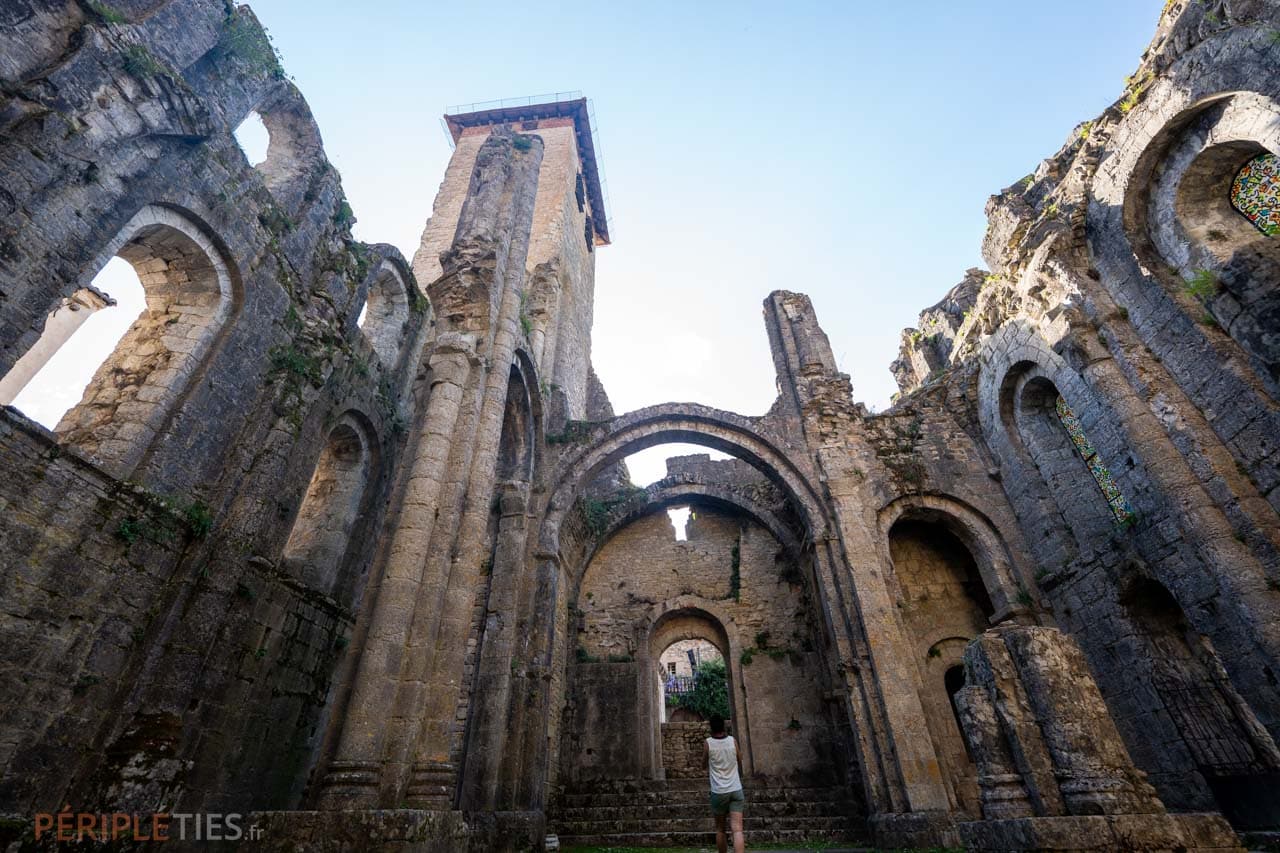
Marcilhac-sur-Célé: old stone and easy living
In Marcilhac-sur-Célé, the ruins of its abbey and the peaceful, riverside mood make an immediate impression. Further on, Sauliac-sur-Célé is just as charming, its houses clinging to the cliff and little beaches perfect for a riverside pause.
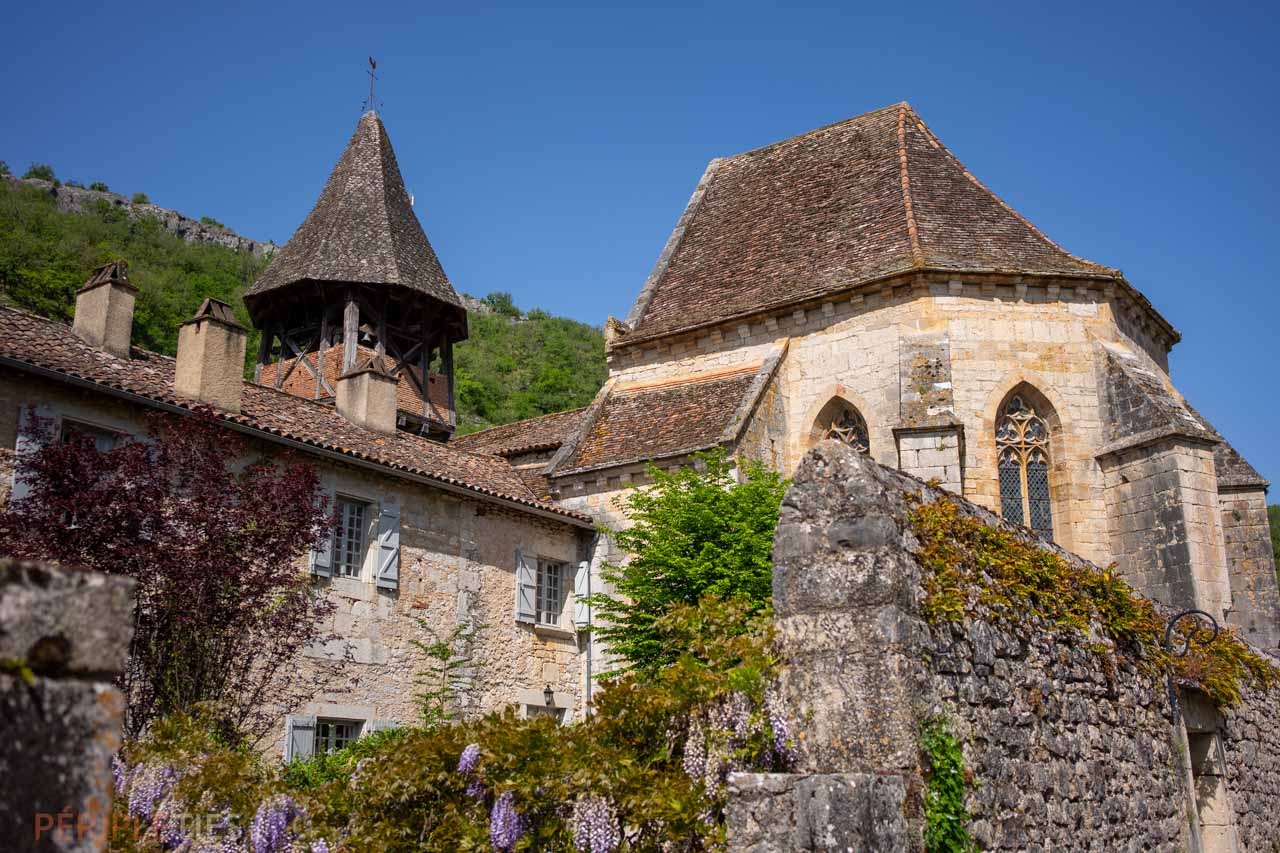
Espagnac-Sainte-Eulalie and its priory
Carrying on, Espagnac-Sainte-Eulalie stands out for its priory and almost timeless atmosphere, still marked by the passage of Camino de Santiago pilgrims.
The Célé Way (Camino de Santiago, GR651): what are the stages?
Along the way we also walked sections of the GR651, a variant of the Camino de Santiago known as the Célé Way. This roughly 70 km (43-mile) trail links Figeac to Saint-Cirq-Lapopie along the Célé Valley.
Even on short sections or loops (found on the Lot tourist board website), you quickly see why this path is so well regarded: sometimes strenuous, with real climbs, but the scenery is incredible.
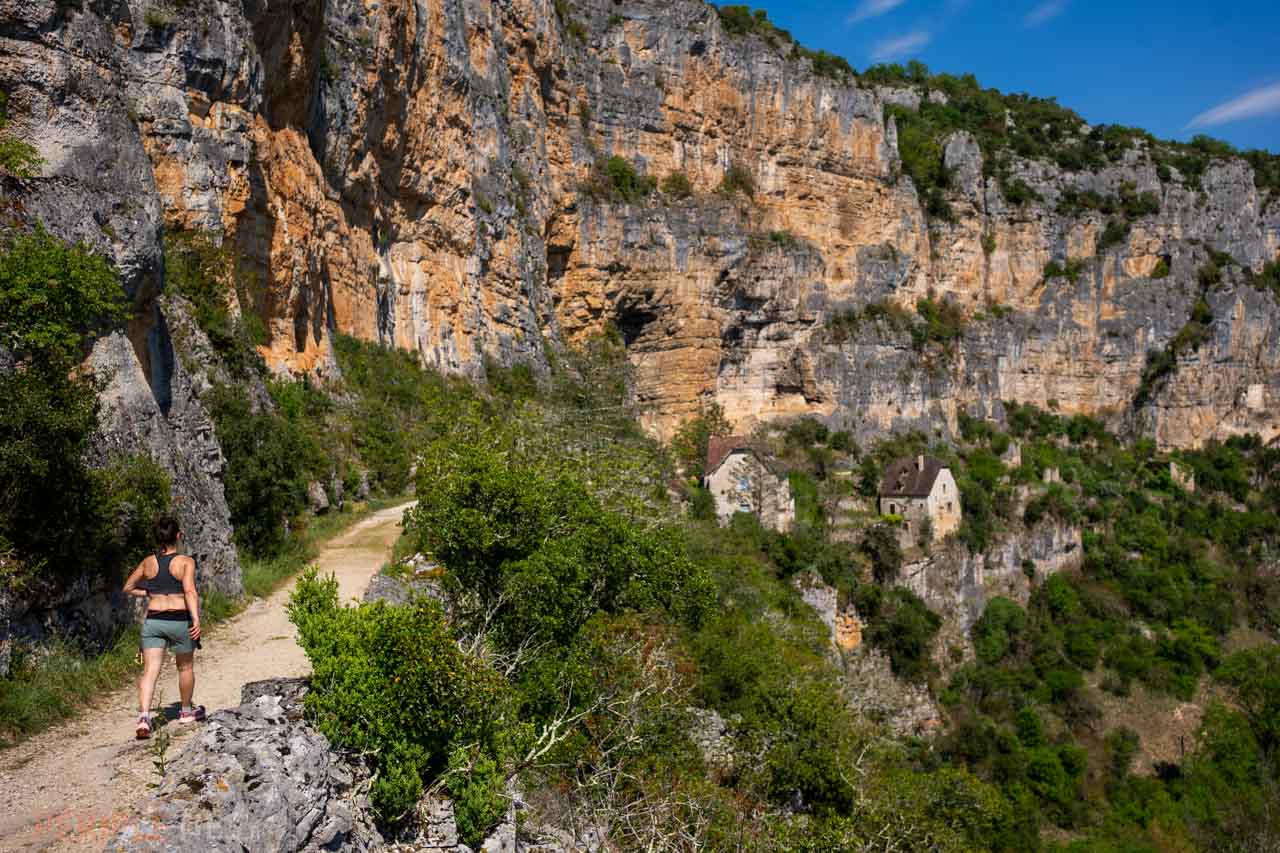
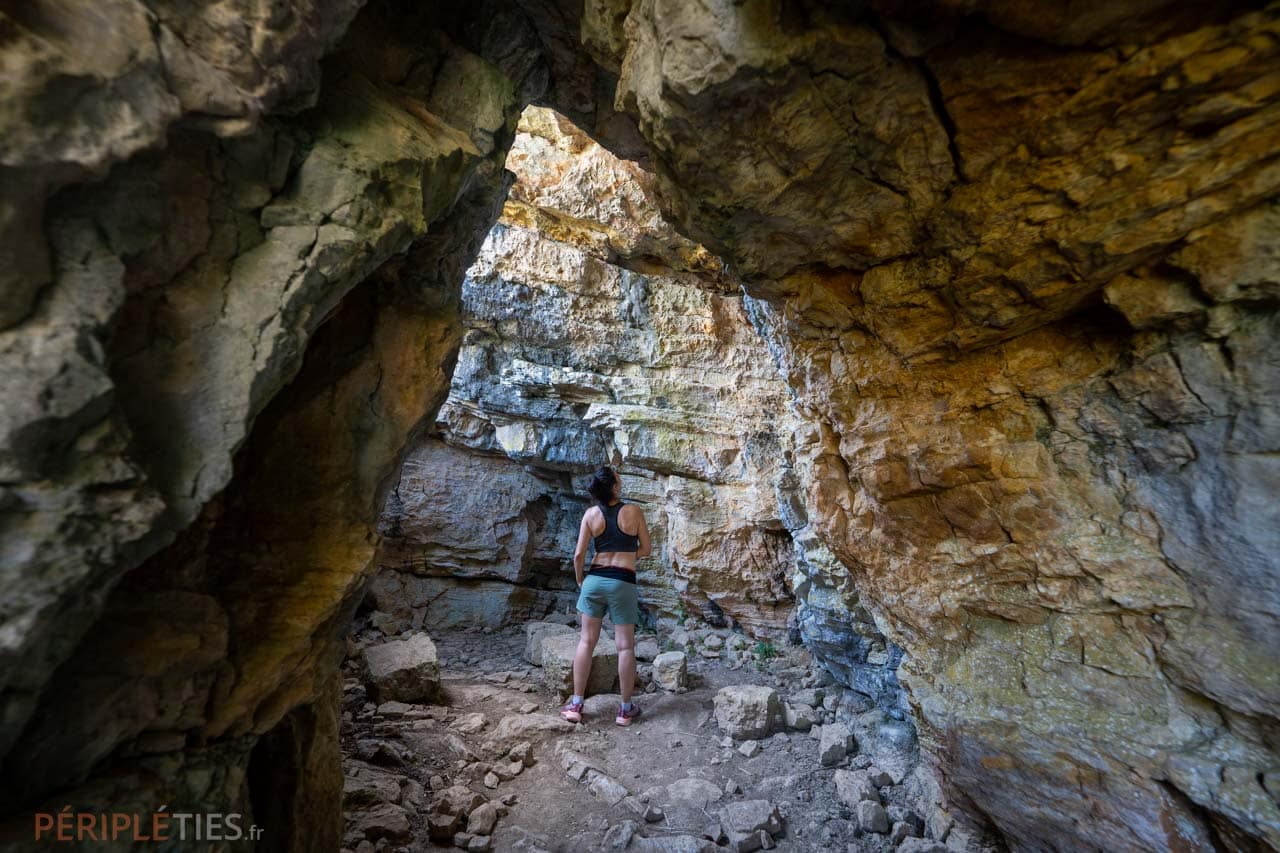
The old cave village of Brengues
Between golden cliffs, caves, ruins clinging to the rock and ever-present heritage, every step is rewarded. A lovely way to discover the valley differently, at a slower pace.
And then there is Brengues, lower-key but just as striking, with its cliffs and its Château des Anglais (English Castle) overlooking the valley.
Figeac: the trip's lovely surprise
Figeac was a real surprise! From the very first streets you find a town full of character: medieval houses, wooden staircases, tangled lanes and a lively atmosphere that contrasts with the calm of the valley.
We loved simply getting lost there, without trying to tick boxes: little squares, shops, terraces and the buzz of the centre. A stop that brings a lovely balance of nature and heritage to the route.
The Causses du Quercy Regional Nature Park
What we loved about the Célé Valley was that feeling of discovering a still-unspoilt land, where every village has its own identity without ever losing the thread.
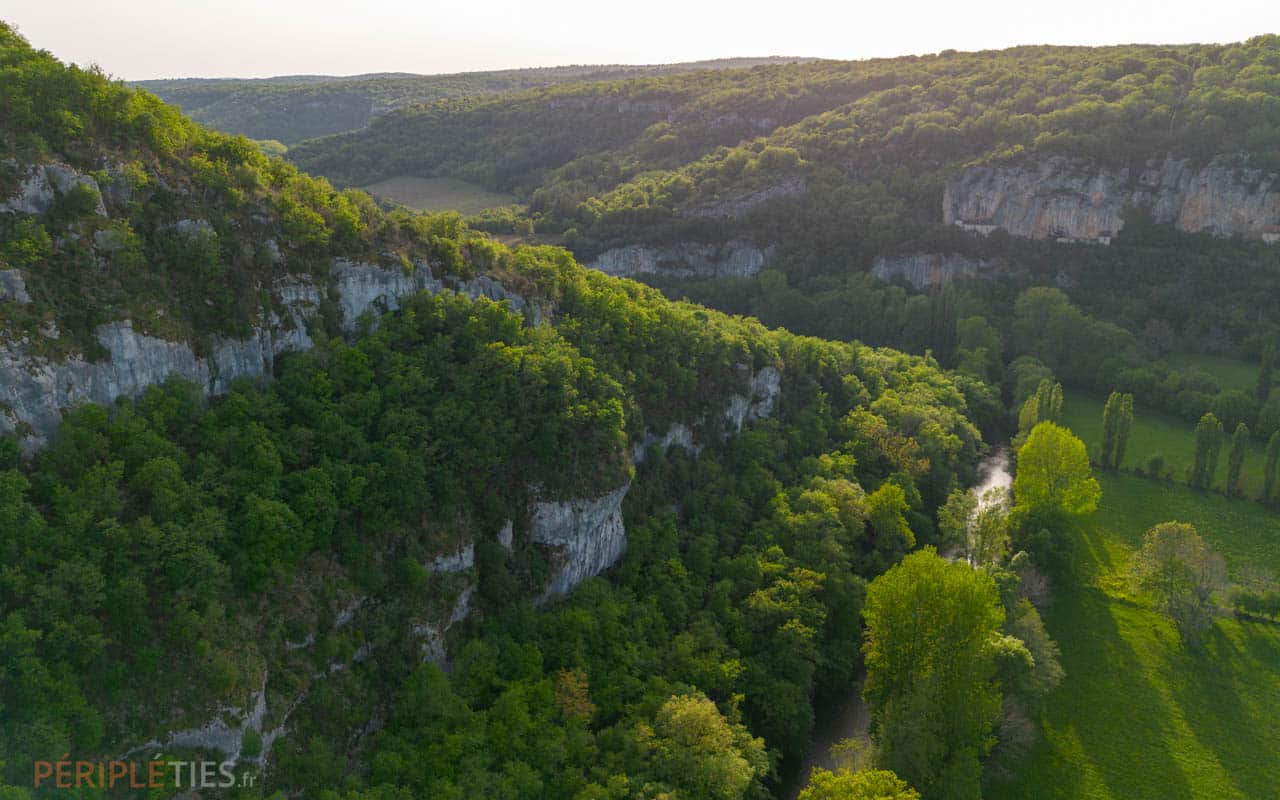
From Marcilhac on, we are inside the Causses du Quercy Regional Nature Park. Nature is everywhere here, with a gentle pace of life that invites you to slow down.
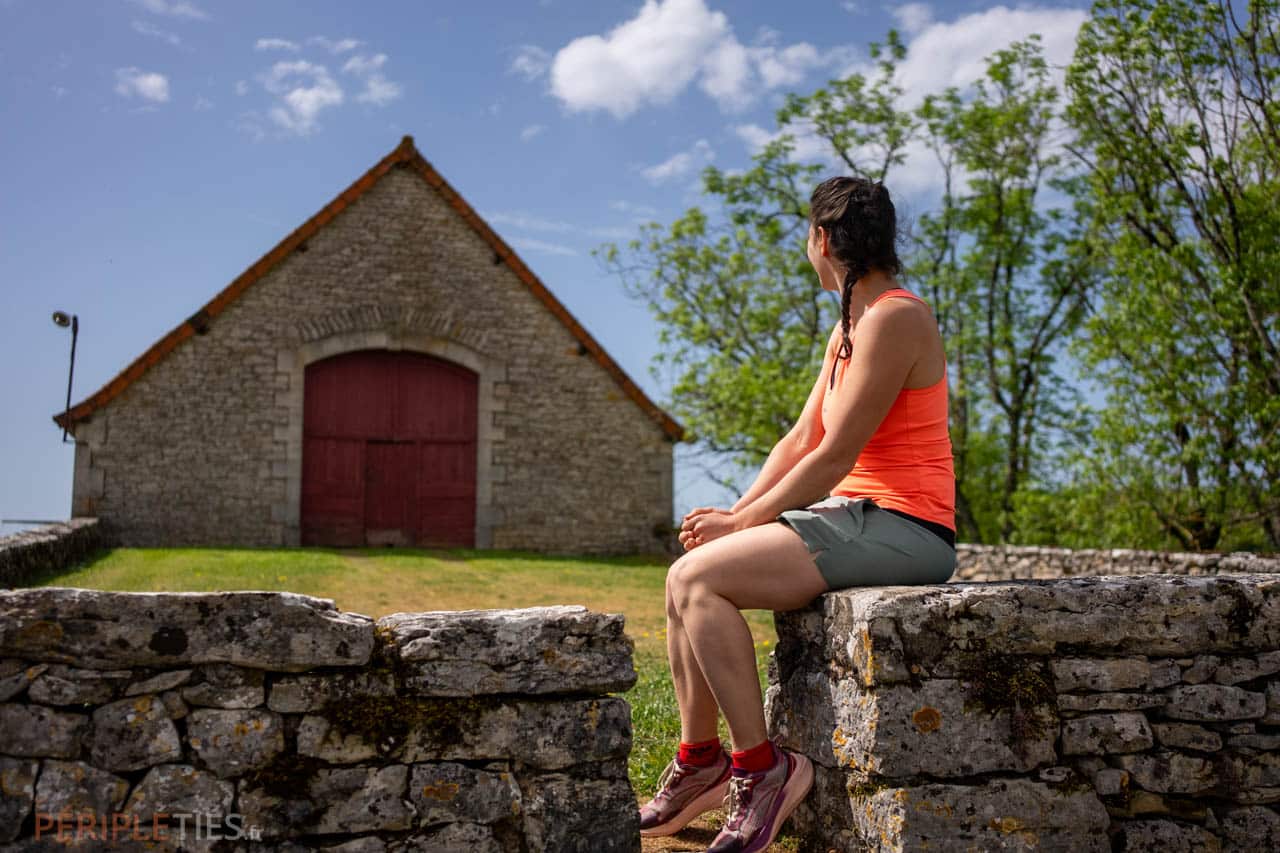
That same feeling stays with you up on the limestone plateaus: wide-open space, dry-stone walls, cazelles (little stone shepherd huts) and an almost timeless atmosphere.
Local experiences in Espédaillac: people and produce
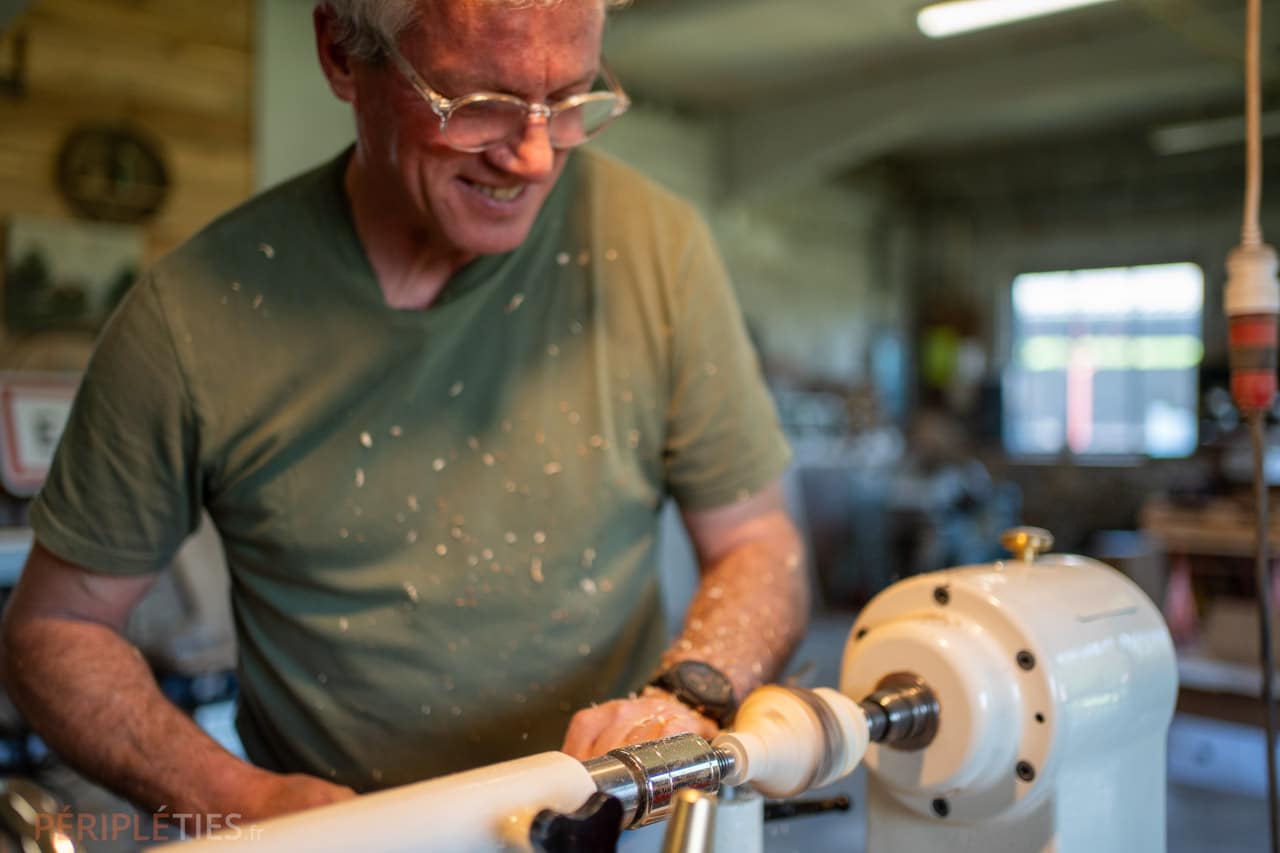
Beyond the scenery, what really stayed with us in the Lot was the people. In Espédaillac we met a passionate craftsman who makes his own knives and turns wood, blending traditional know-how with creativity. A simple, authentic moment that adds another dimension to the trip.
The Auberge Beauville and Coutellerie Le Lotois
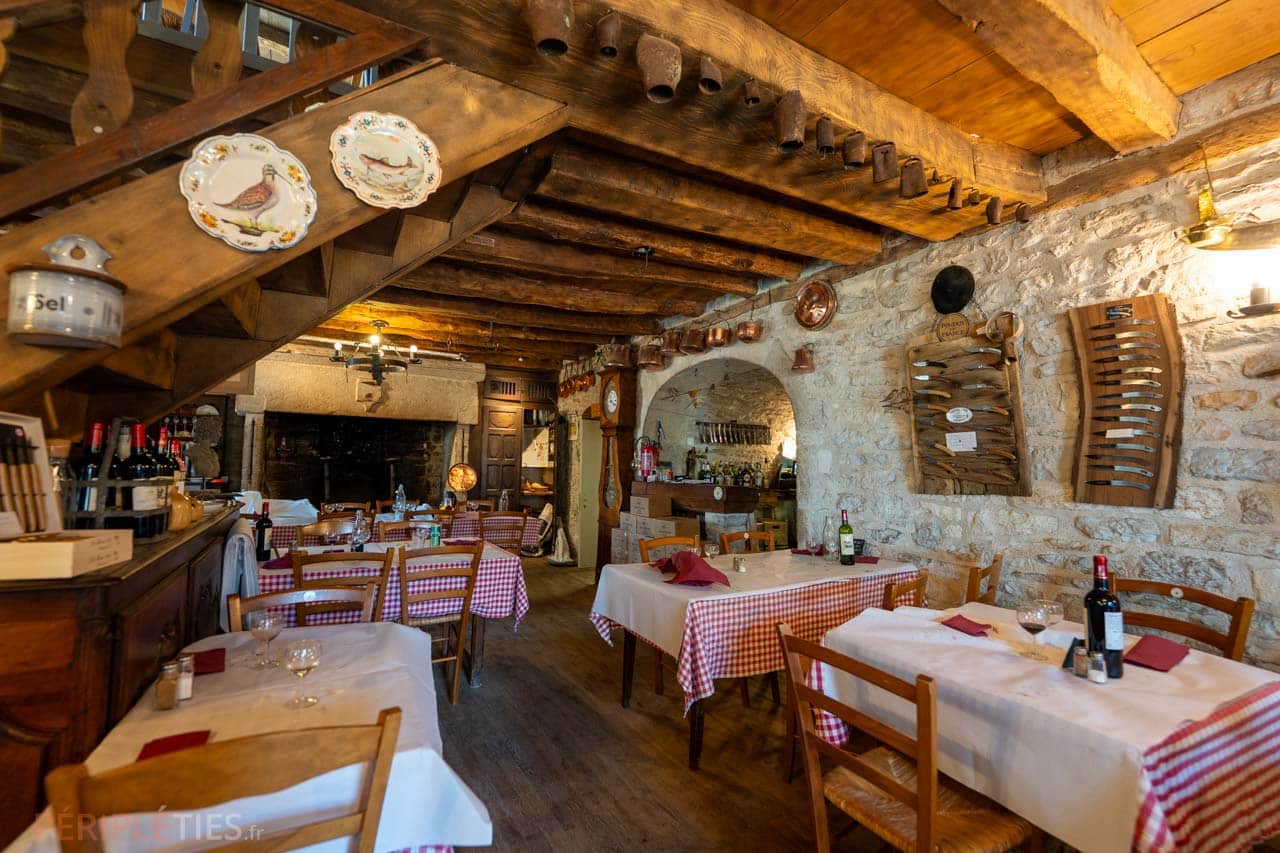
This is also where we had a lovely break at the Auberge Beauville, with unbeatable value for money. Honest cooking, rooted in the area, showcasing local, seasonal produce.
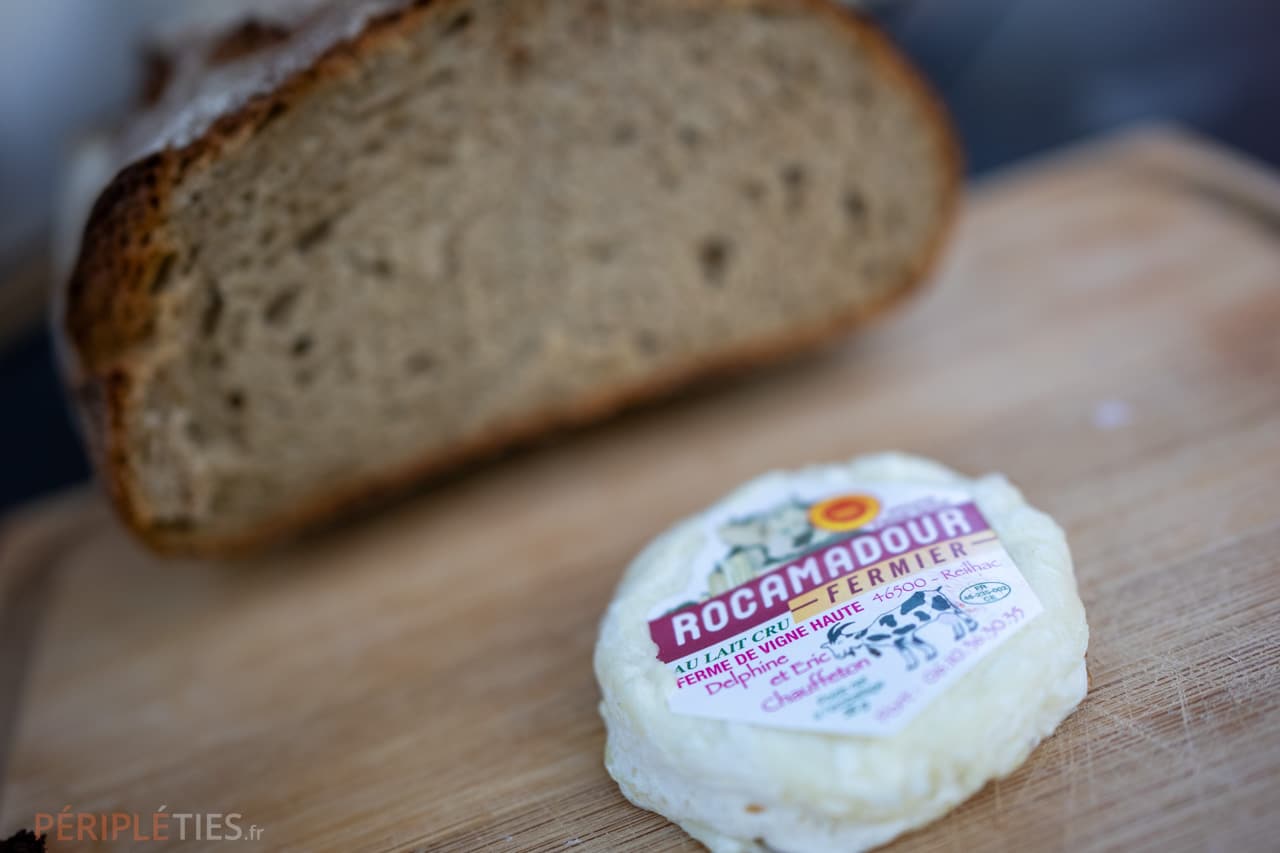
Rocamadour AOP, the Lot's goat's cheese
A bit further on, we also took time to visit the Vigne Haute farm, which makes the famous Rocamadour, an emblematic AOP (protected-origin) cheese of the region. A chance to understand the work behind it, and of course to taste it on the spot.
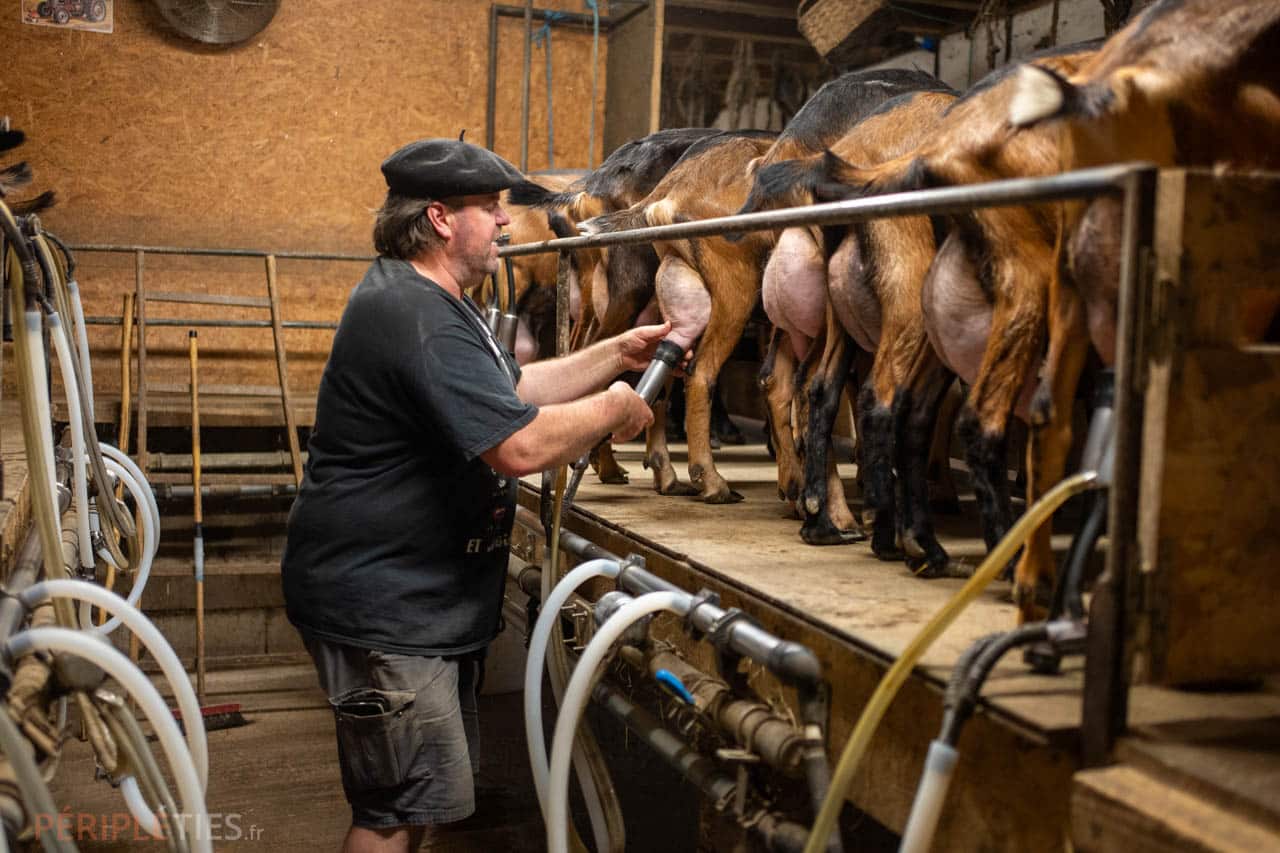
Tip: you can also stay overnight here. It is part of the France Passion network (a scheme where farms and producers host self-sufficient motorhomes for free in return for a small annual membership). If you are reasonably self-contained and buy a few products at the farm, the owners are happy to welcome you in their field. Simple, friendly and perfectly in the spirit of slow travel.
Pastis du Quercy: a real discovery
Pauline could not write this article without mentioning the pastis du Quercy 😄 This local speciality, which we had never come across, is a pastry as delicate as it is crisp, usually filled with apple and flavoured with eau-de-vie (fruit brandy). (Nothing to do with the aniseed apéritif of the same name!)
Real craftsmanship, with pastry stretched almost like lace. A big discovery and a genuine foodie favourite!
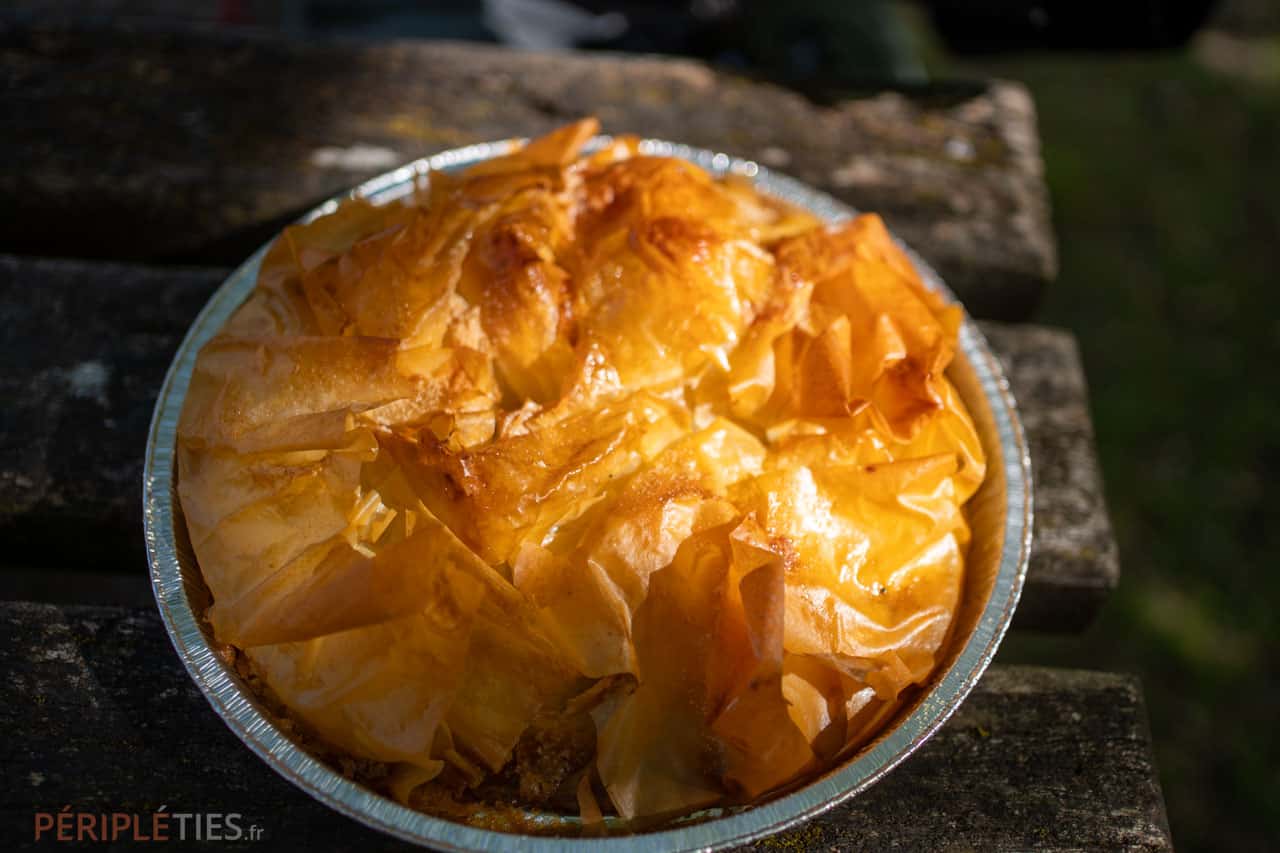
Tip: it is not that easy to find. If you pass through Cahors market, have a look. You can also find it in Marcilhac-sur-Célé, and more easily around Cajarc.
The Causses de Gramat: big skies and landmark villages
Around here you are also in the Causses de Gramat, and the surrounding villages are well worth a look. You are at the gateway to Rocamadour, a clifftop pilgrimage village that is a must-see in the Lot if you are nearby.
It is also a handy stepping stone if you want to extend the trip towards the Dordogne.
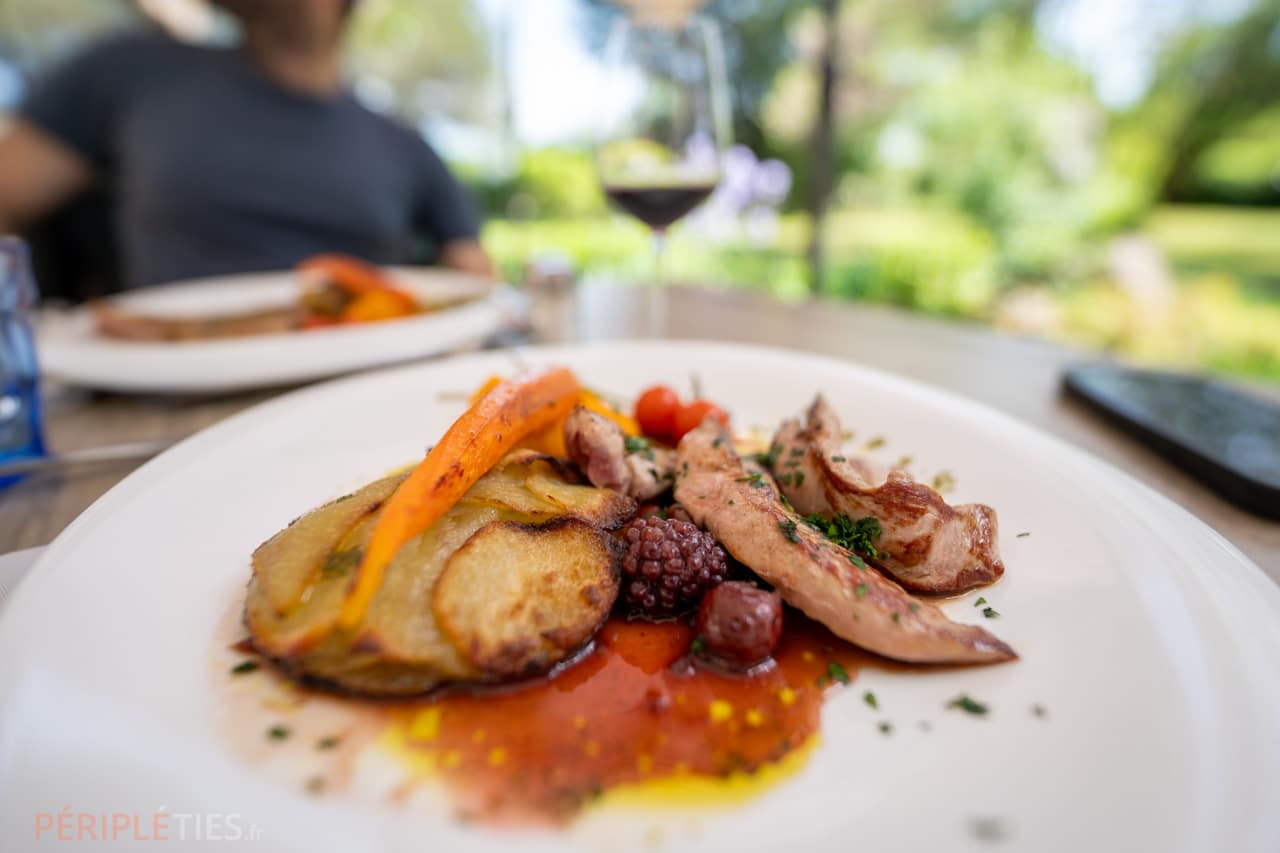
As for places to eat, we recommend l'Hostellerie du Causse, a kitchen that reworks regional cooking with a real gastronomic touch.
A lovely way to round off the road trip on a delicious note! So, when is your next escape to the Lot? 😉
 Pauline & Simon