

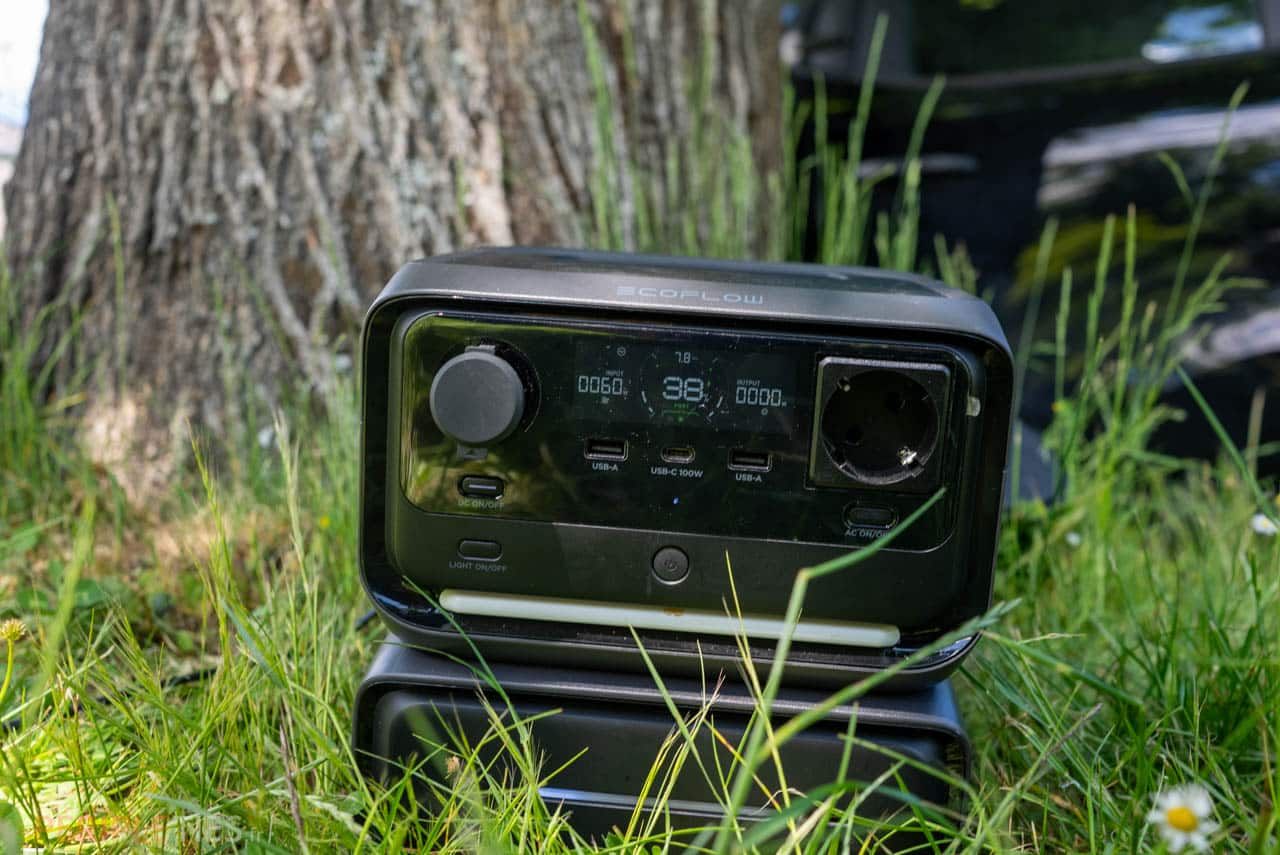
EcoFlow has launched its new River 3 series: the River 3, River 3 Plus, River 3 Max and River 3 Max Plus. Four names, one compact design, and plenty of room for confusion. Which one should you choose, and what is each one actually good for? In this article we compare every model and give you our honest opinion on these small power stations, some of the most compact on the market.
The EcoFlow River 3 series at a glance
Two years after we tested the River 2 Pro, EcoFlow has moved up a gear with the River 3 series.
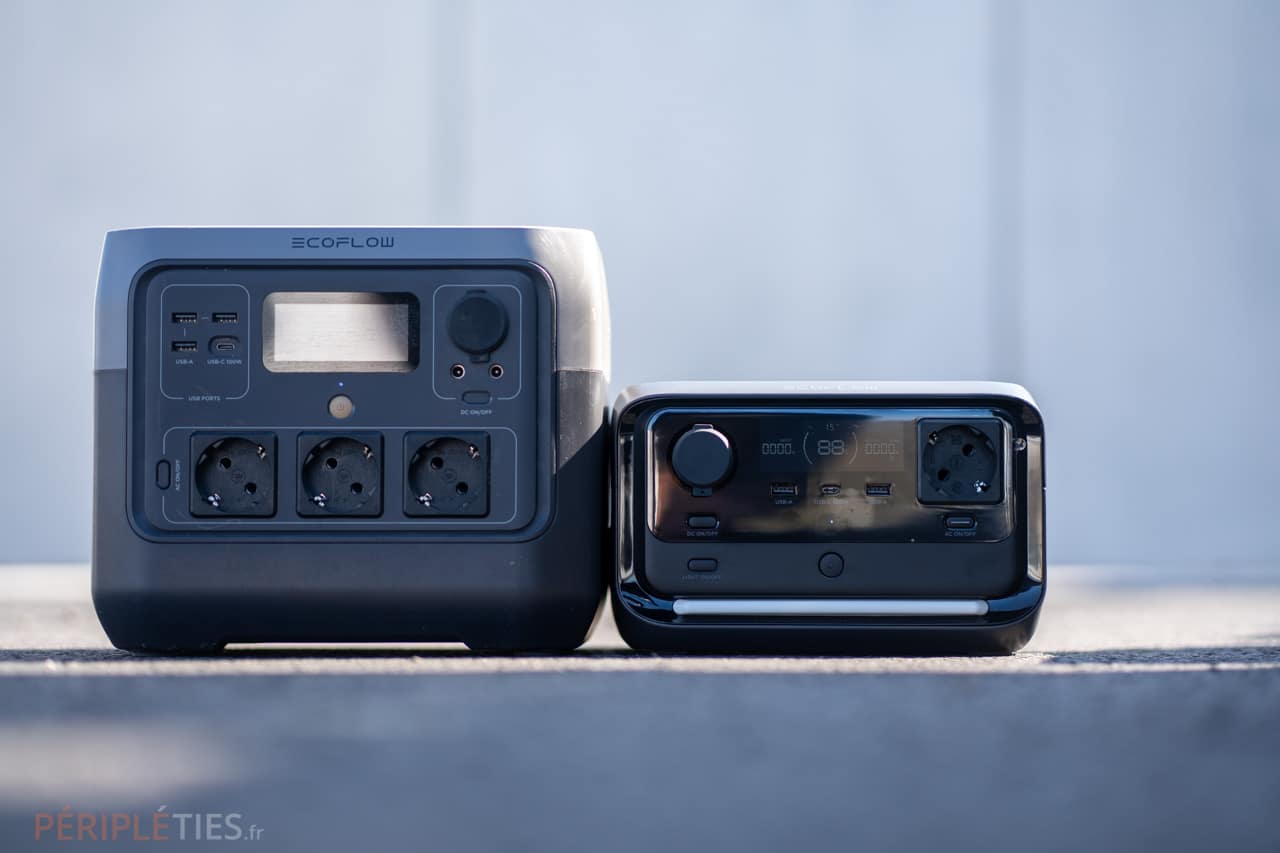
We first saw it at the Caravan Salon in Düsseldorf, Europe's biggest motorhome and caravan show, and after several months of testing, here is our full review. We start with the first model we tested, the standard River 3, which launched in Europe at under €250. We then cover the River 3 Plus and the River 3 Max, which we tested too.
How is it different from the River 2 and the Delta range?
The River 3 series replaces the River 2 with a more compact design and, above all, add-on battery modules (the EB300 and EB600) that let you increase capacity as your needs grow.
Compared with the River 2 Pro, the River 3 Max Plus offers similar capacity while being more modular.
On the other hand, next to the EcoFlow Delta 3 range we tested in our motorhome, the power is lower. The Delta stations are built for heavy use (heating, kitchen appliances), while the River 3 is all about portability and small everyday devices.
What's new: size and ports
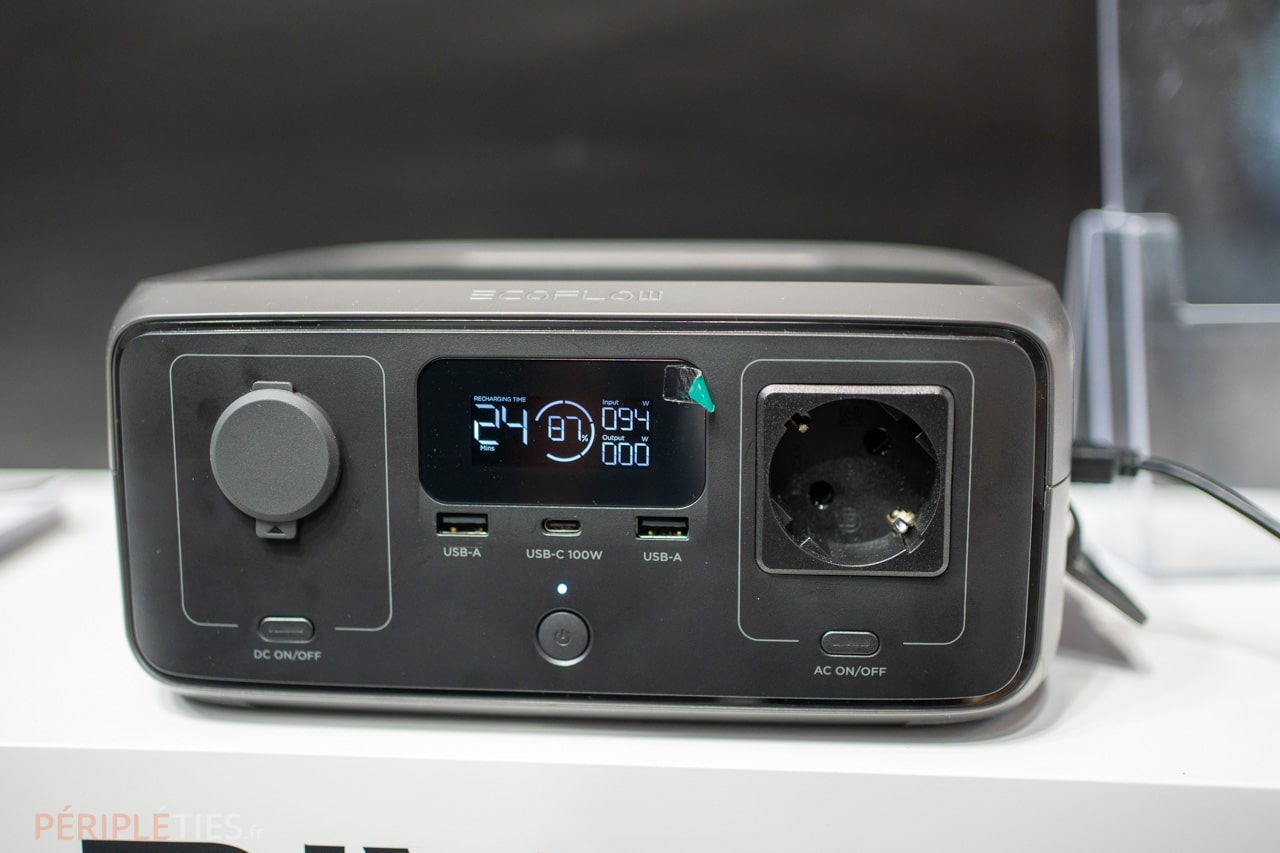
Compact and light, the River 3 stations stand out for their small footprint without compromising on power. Thanks to technologies like gallium nitride (GaN), the same material found in the latest pocket-sized laptop chargers, they deliver high efficiency while keeping the size down.
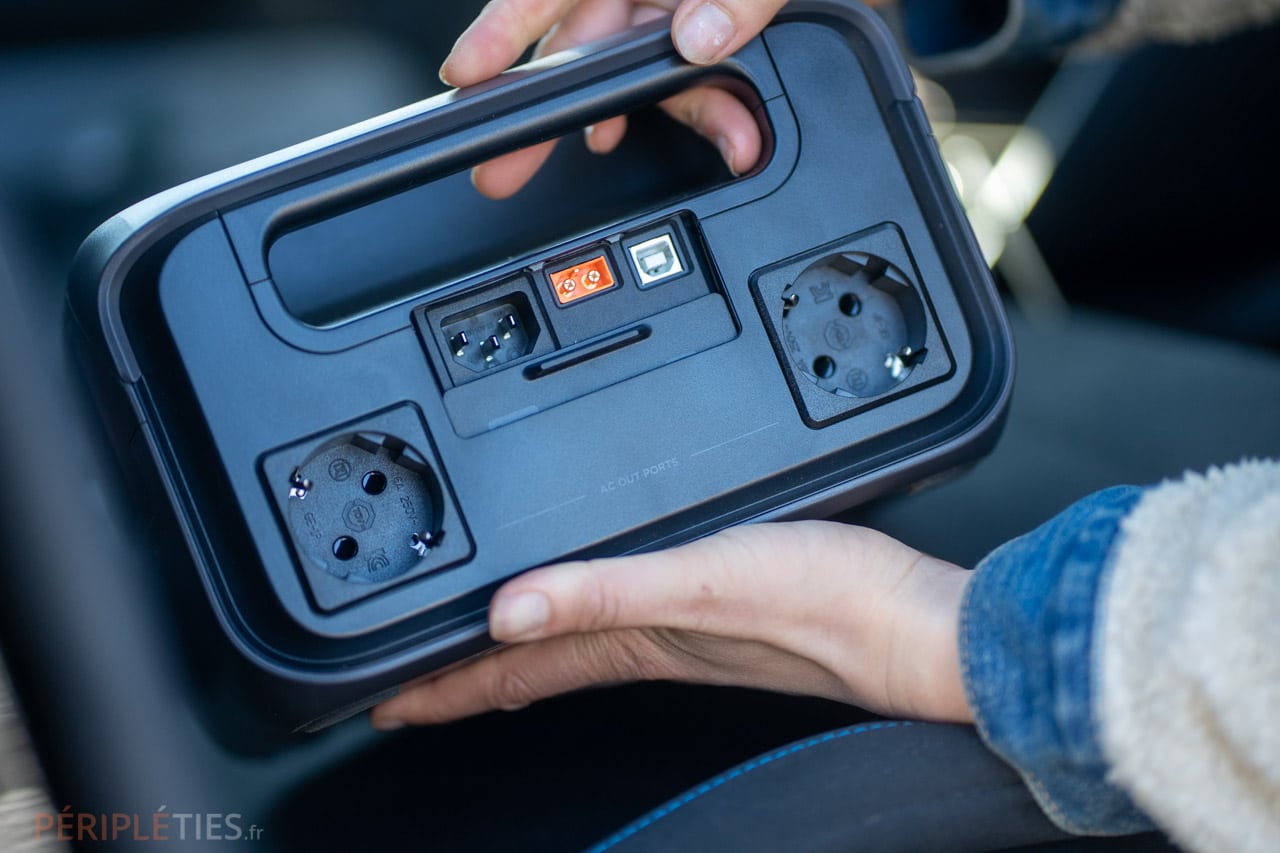
Their mini format, combined with plenty of outputs (USB-A, USB-C, AC sockets, a 12V car socket) and several ways to recharge, makes them ideal for a wide range of uses. The AC sockets follow the local standard: 230 V on UK and European models, 120 V on US versions.
Who is the EcoFlow River 3 for?
Whether you travel in a motorhome, a campervan or a converted car, camp now and then, or simply want a practical backup for power cuts at home, the River 3 range has something for you.
But let's be clear from the start: with a maximum capacity of 858 Wh for the River 3 Max Plus (close to the River 2 Pro), it won't give you full energy independence on a long trip. For that, you'll want to look at EcoFlow's Delta 3 series instead.
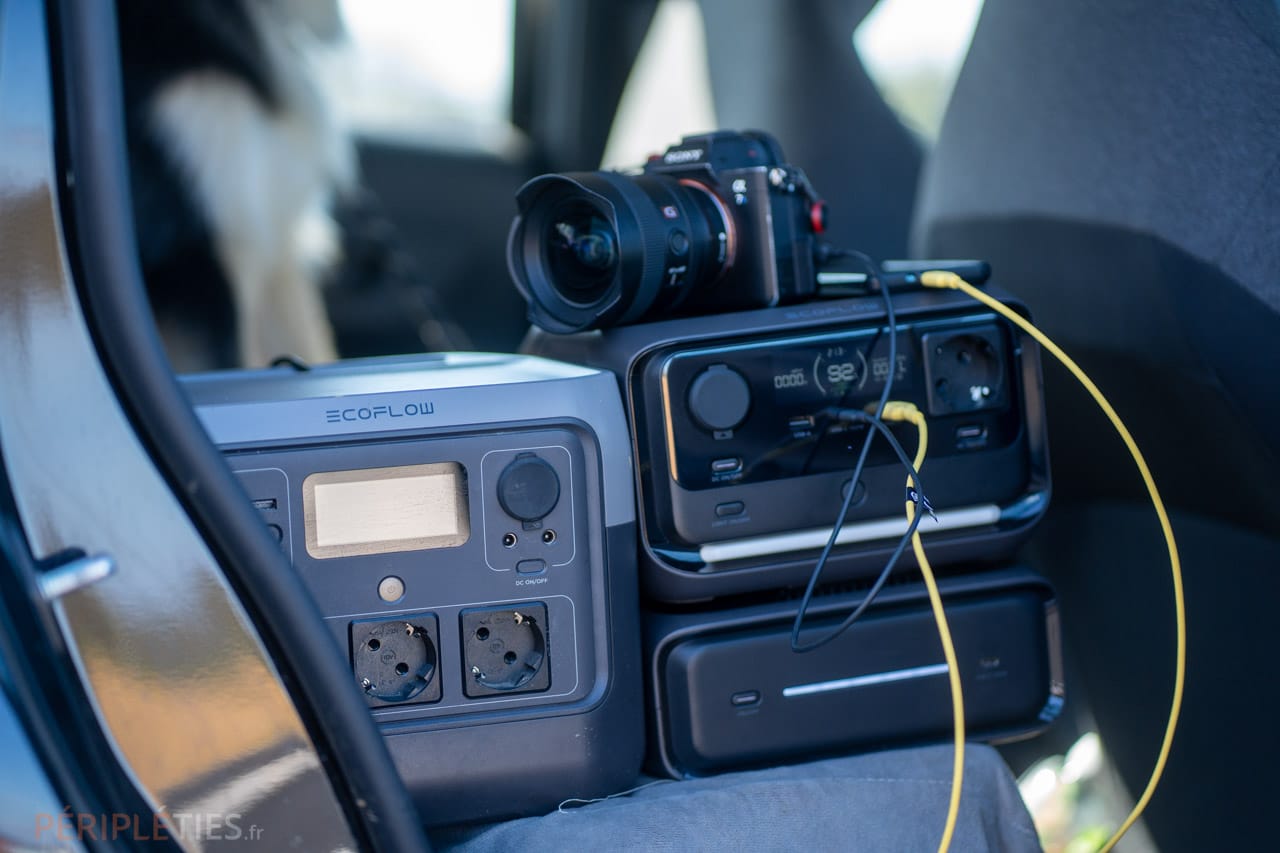
River 3 vs River 3 Plus vs River 3 Max vs River 3 Max Plus
EcoFlow River 3 review (245 Wh): the standard model, 30% more compact
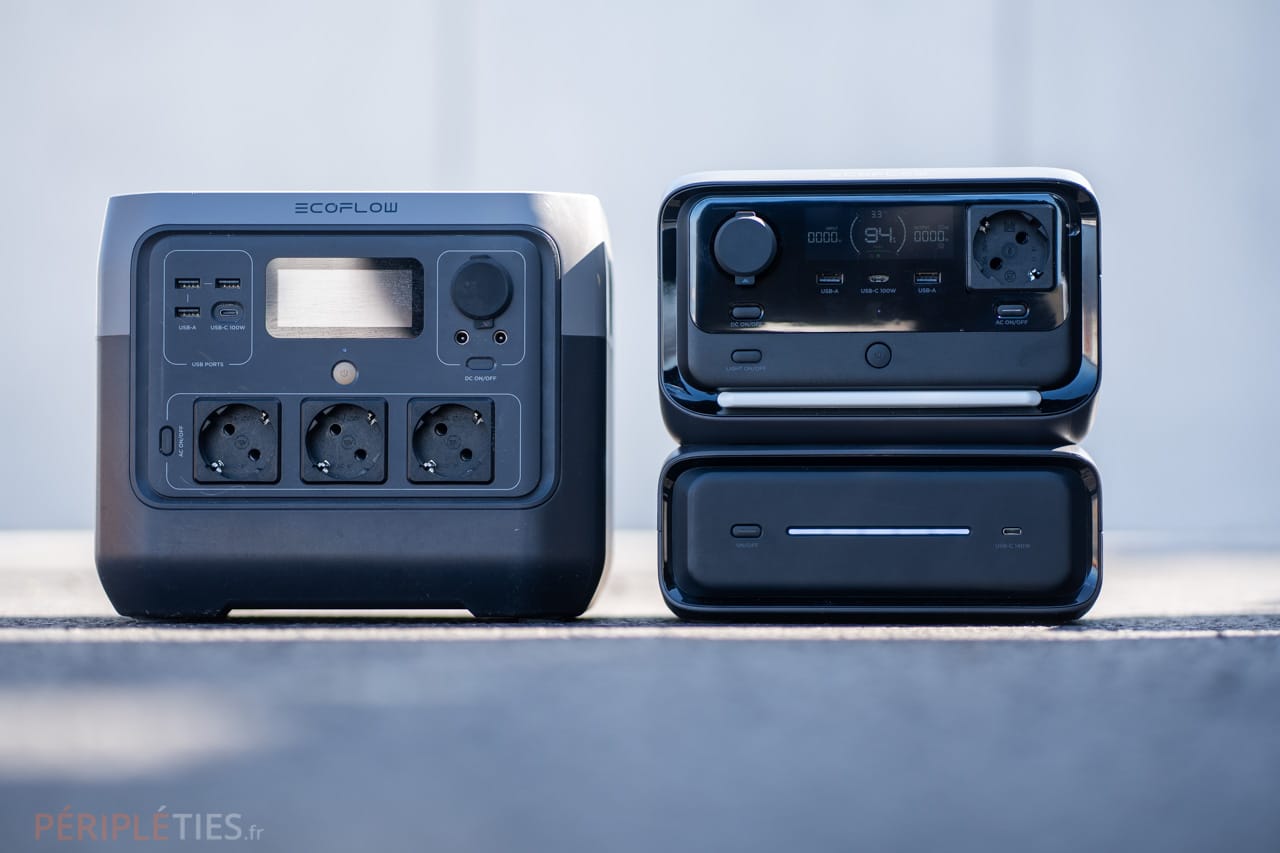
The River 3 is the entry model in the series and 30% more compact than any other EcoFlow station. At just 3.5 kg (7.7 lb), with 245 Wh of capacity and 300 W of output (up to 600 W in X-Boost mode, which lets some higher-wattage appliances run by slightly lowering their power), it is an ultra-portable option for trips where your electricity needs stay modest.
It is ideal for charging a smartphone, a laptop or a camera, and it can occasionally run something more power-hungry for a short time. To give you an idea, a quick clean with a 400 W vacuum cleaner would drain the battery in around half an hour.
At under €250 at launch, the standard River 3 is for anyone after a compact, affordable and easy-to-carry solution. Note that, unlike the rest of the range, this model cannot be expanded.
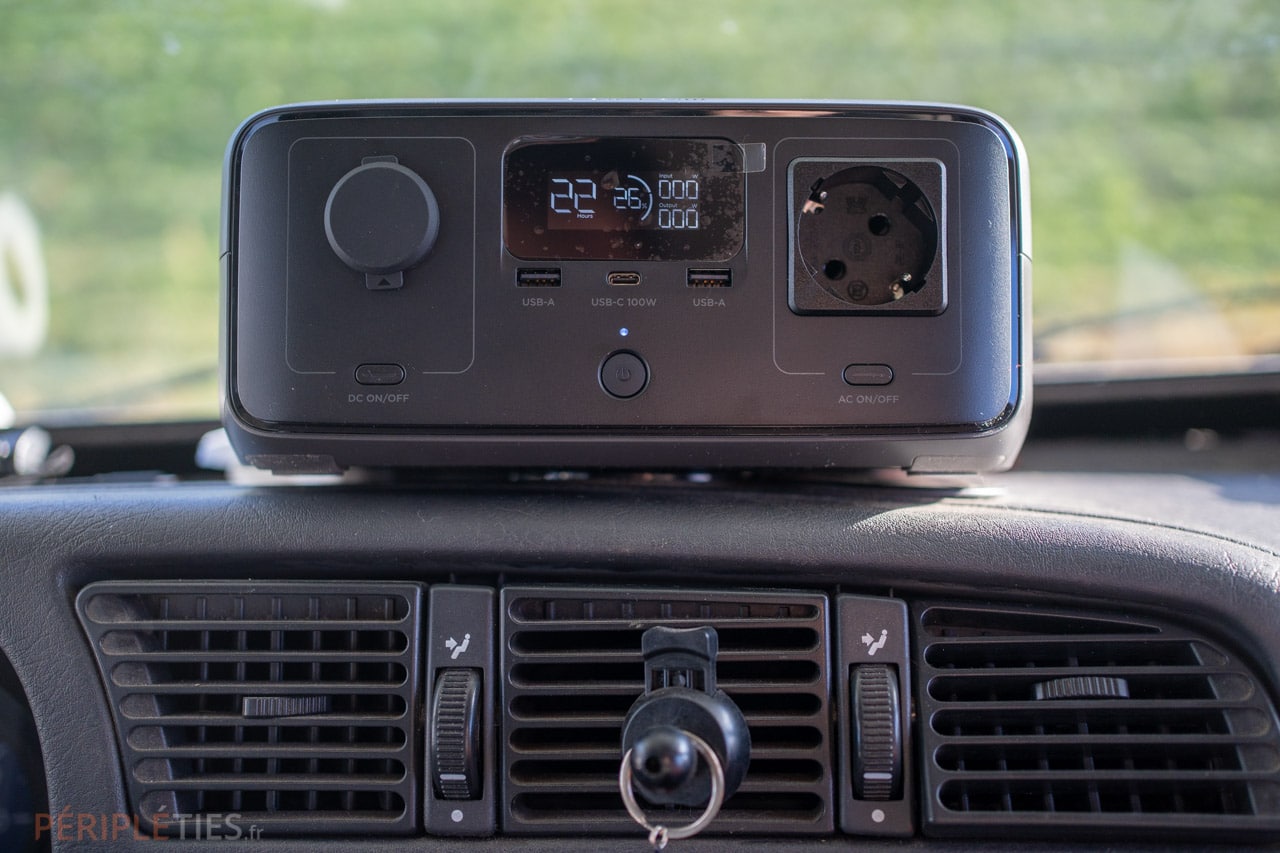
EcoFlow River 3 Plus review (286 Wh): the expandable version
No point beating around the bush: the River 3 Plus is simply the upgraded version of the River 3, at under €300 at launch. It offers a little more capacity (286 Wh) and more power (600 W, up to 1,200 W in X-Boost).
What really sets it apart is that it can be expanded. The River 3 Plus accepts an extra battery module (the EB300 or the EB600) to become what EcoFlow calls the River 3 Max or the River 3 Max Plus. A good choice if you want your power station to grow with your needs.
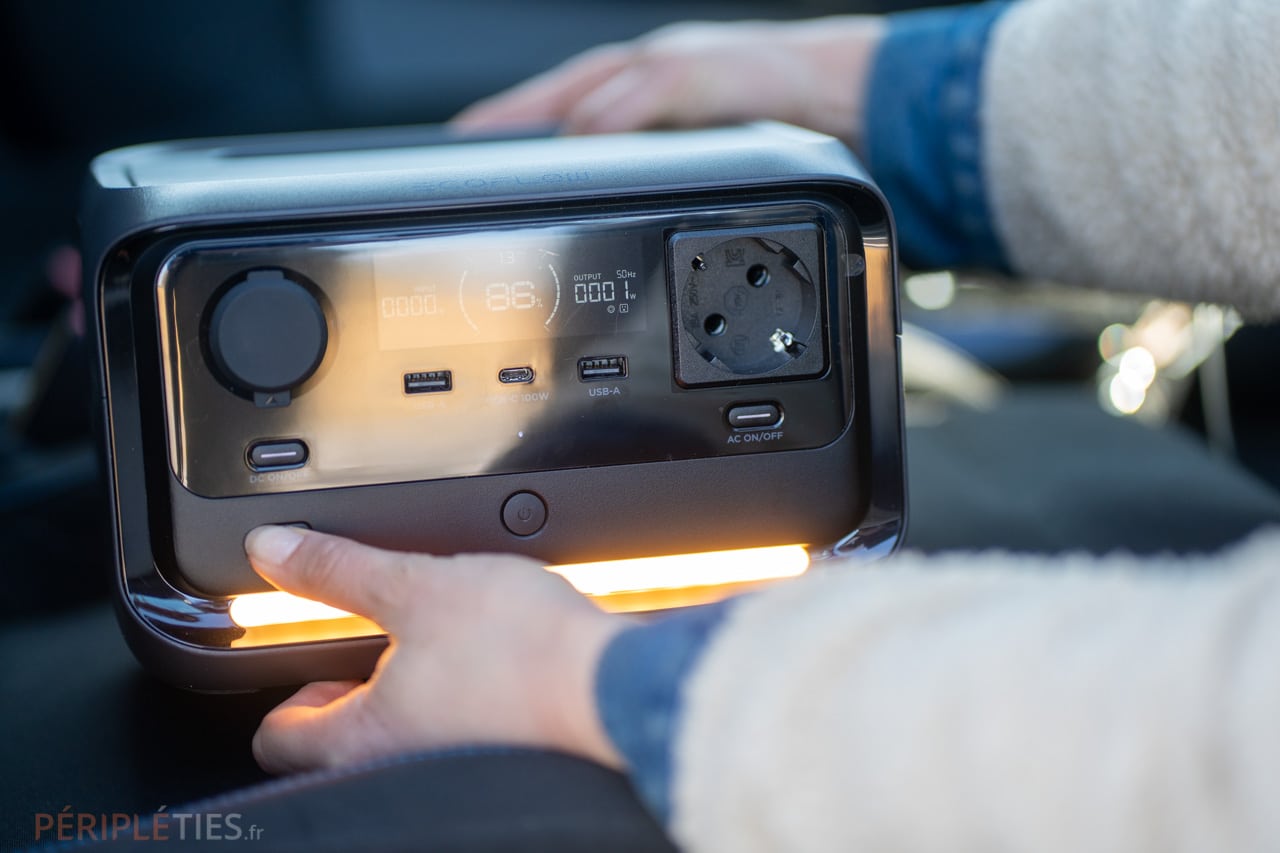
EcoFlow River 3 Max review (572 Wh with the EB300)
The River 3 Max is an extended version of the River 3 Plus, made possible by adding a removable extra battery called the EB300. As the name suggests, it adds around 300 Wh (286 Wh to be exact), bringing the total to 572 Wh.
It is particularly well suited to longer outings, or to running more power-hungry devices for longer.
The big advantage is that you keep the portability and compact format of the River 3 Plus whenever you need it, simply by removing the extra battery. That flexibility is exactly why we chose it to equip our small city car and its rooftop tent.
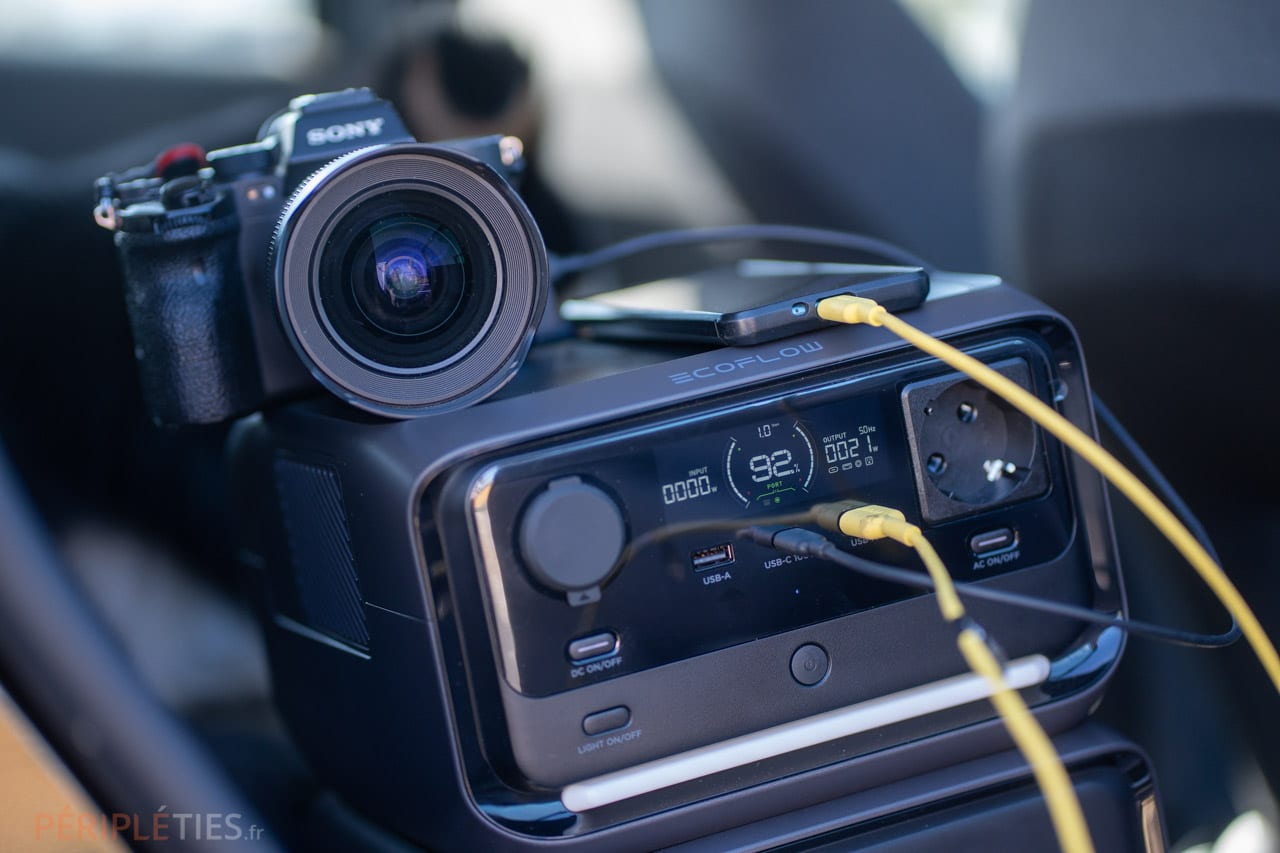
EcoFlow River 3 Max Plus (858 Wh with the EB600)
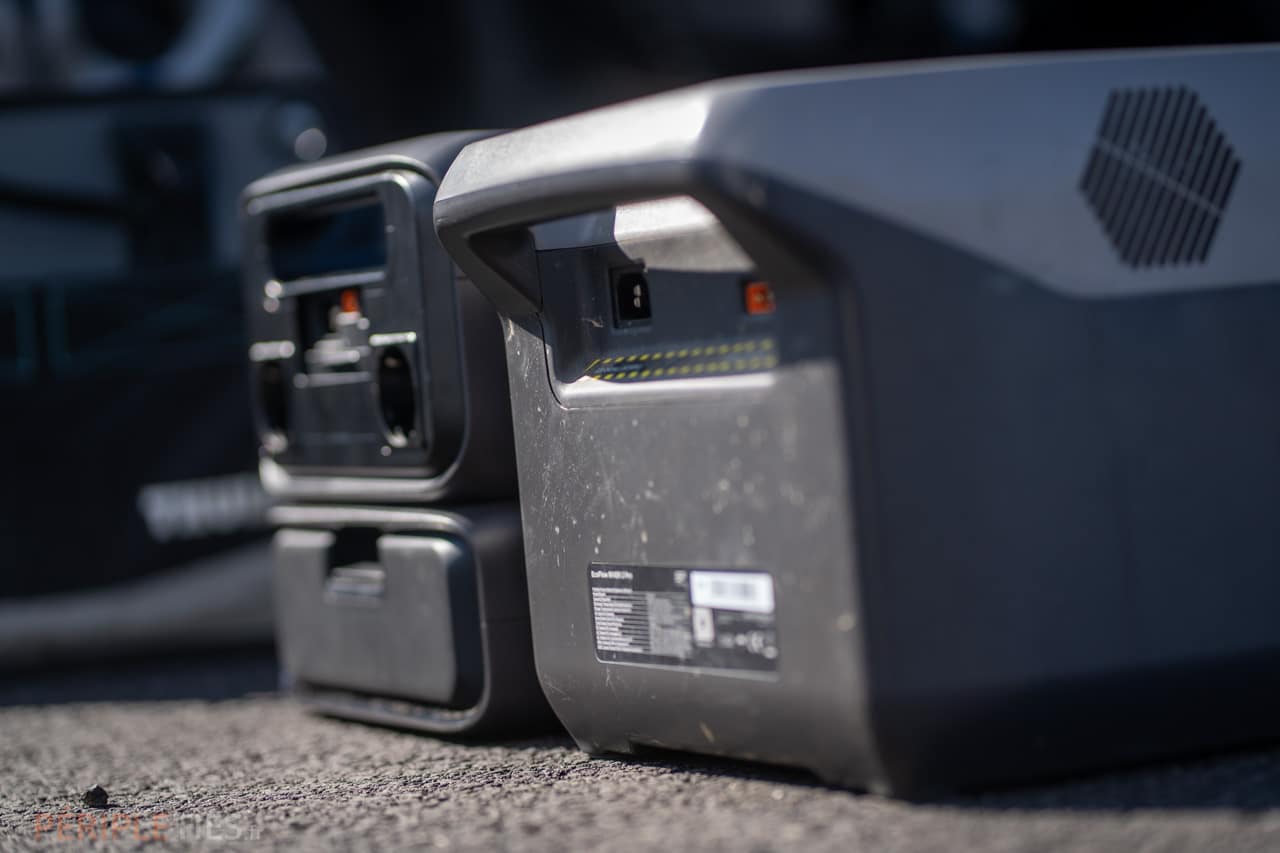
With the EB600 module (572 Wh), the River 3 Max Plus reaches 858 Wh, roughly the same capacity as the River 2 Pro (768 Wh), while staying compact and modular. Once the extra battery is added, it is actually slightly taller than the River 2 Pro, but its shape is more practical thanks to a built-in handle that doesn't stick out.
It is an excellent compromise if you want a powerful, expandable solution that is still easy to carry, designed for heavier needs, outdoors or at home during a power cut.
EcoFlow River 3, Plus, Max and Max Plus compared
| Model | Capacity | Output | X-Boost | Dimensions | Weight | Expansion | Mains charge | Launch price* |
|---|---|---|---|---|---|---|---|---|
| River 3 | 245 Wh | 300 W | 600 W | 25.5 x 21.2 x 11.3 cm (10.0 x 8.3 x 4.4 in) | 3.5 kg (7.7 lb) | Not possible | 1 h | €249 |
| River 3 Plus | 286 Wh | 600 W | 1,200 W | 23.4 x 23.1 x 14.7 cm (9.2 x 9.1 x 5.8 in) | 4.7 kg (10.4 lb) | Yes | 1 h | €299 |
| River 3 Max | 572 Wh | 600 W | 1,200 W | 28.9 x 18.4 x 23.5 cm (11.4 x 7.2 x 9.3 in) | 6.3 kg (13.9 lb) | EB300 | 1 h | €499 |
| River 3 Max Plus | 858 Wh | 600 W | 1,200 W | 28.9 x 18.4 x approx. 30 cm (11.4 x 7.2 x approx. 11.8 in) | 7.5 kg (16.5 lb) | EB600 | 1 h | €699 |
*Launch prices in France, excluding discounts. UK and US prices vary, so check the current price on the store.
Our code PERIPLETIES gives you 8% off on the official EcoFlow store. Check at checkout that it is accepted in your country.
How much do the River 3 models cost?
With launch prices in France ranging from €249 for the River 3 to €699 for the River 3 Max Plus (see the comparison table above), the pricing reflects the quality of the materials and technology, while staying competitive with similar products on the market.
Price per watt-hour: which model is the best value?
The more capacity you buy, the better the price per watt-hour. Excluding promotions, it drops from about €1.02 per Wh for the River 3 to €0.81 per Wh for the River 3 Max Plus, a real saving if you want the most capacity for your money.
Which River 3 should you choose?
- Light, occasional use (River 3): go for the standard River 3, ideal for short trips and small devices.
- Versatility (River 3 Plus): the River 3 Plus strikes a good balance between portability, power and the option to expand.
- Longer trips (River 3 Max): at under €500 at launch, the River 3 Max suits anyone who needs more autonomy, thanks to the EB300.
- Heavier use (River 3 Max Plus): the River 3 Max Plus is for bigger energy needs, but at this price it is worth comparing it with other models in the EcoFlow range.
How do you charge the EcoFlow River 3?
The River 3 series offers all the usual charging options: 12V (car socket), mains power and solar panels. That makes it an ideal travel companion.
Fast mains charging (1 hour with X-Stream)
EcoFlow's X-Stream technology fully recharges the battery in just one hour. That is a real advantage when you are in a hurry or only plugged in for a short time, for example at a campsite or at an "aire", the dedicated motorhome stopovers you find all over France, many of which have an electric hook-up.
Solar and 12V charging on the road
Solar and 12V charging are among the River 3's biggest strengths, because they let you stay self-sufficient on the move. In practice, we recharge it with EcoFlow solar panels when we are parked up wild camping with our rooftop tent, or at a campsite.
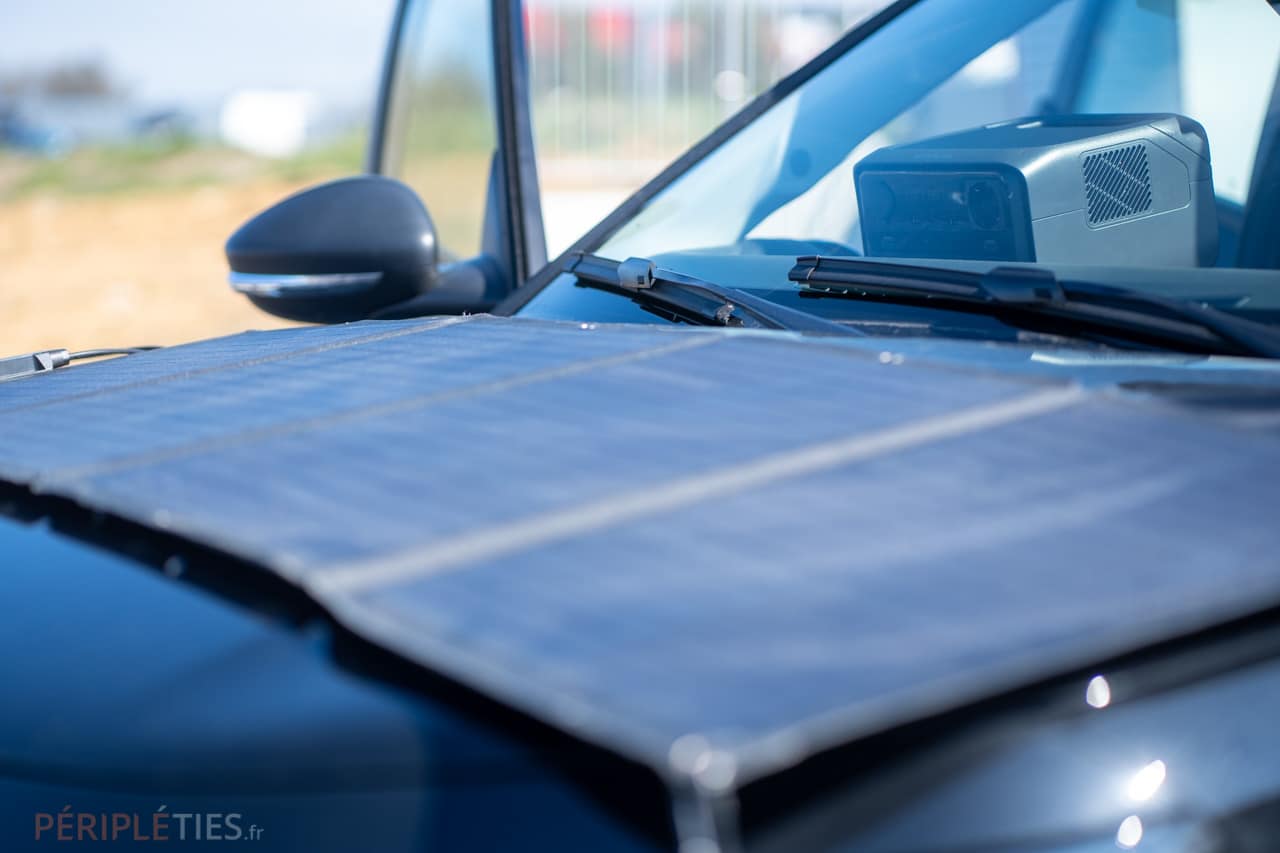
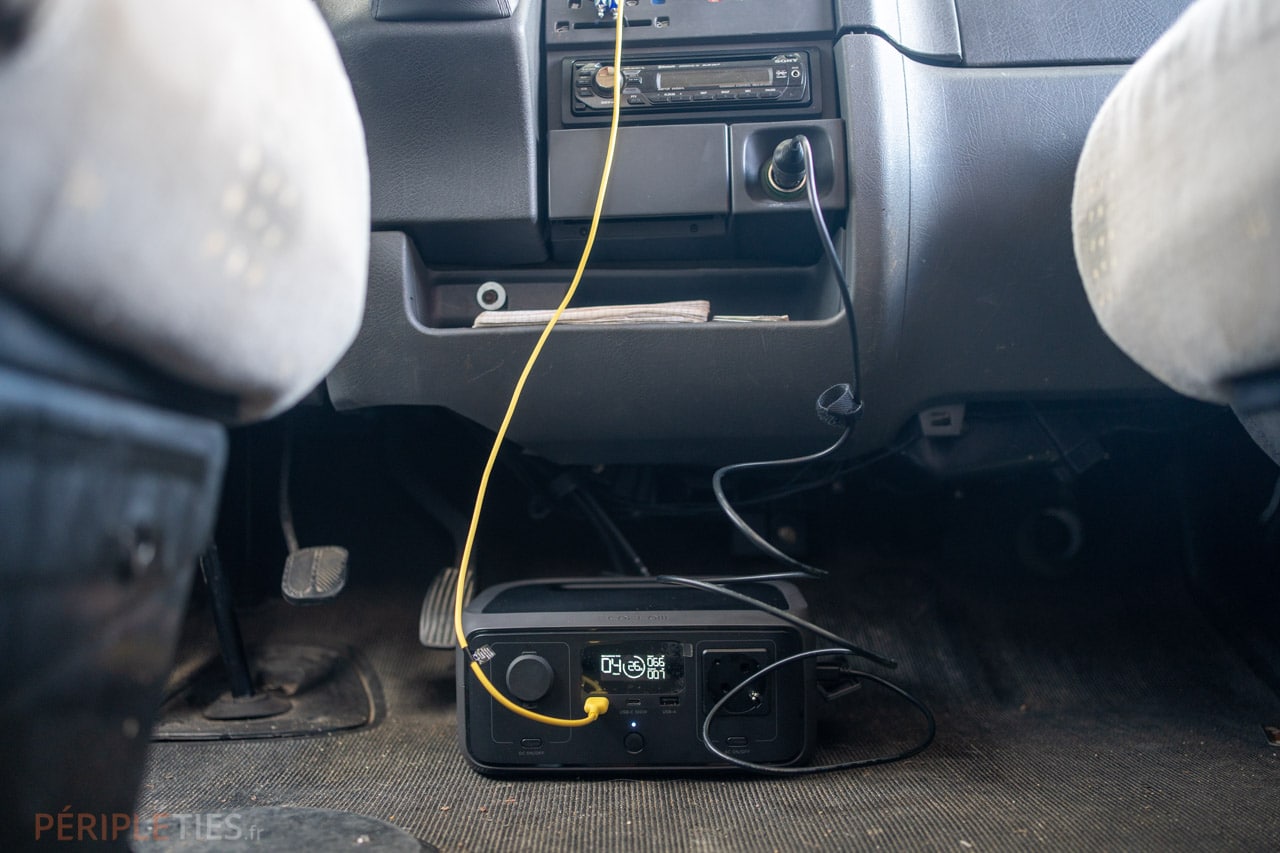
When we travel in our converted electric car, we simply plug the battery into the 12V socket, so the River 3 tops up while we drive and we make the most of our time on the road.

A real-life example: how we charge our gear on the road
What we really like is how easily we can carry it to the front or back of our converted car or motorhome, to charge our GPS and phones while driving, or into the living area to power other devices: a laptop, a camera battery charger, or the GPS tracker of Ulysse, our dog, who travels everywhere with us.
Our verdict on the EcoFlow River 3 series
The River 3 series is a real step forward for EcoFlow's portable power stations. Compact and light, these stations win you over with their ultra-portable format while still offering enough capacity for small everyday devices, and above all the option to adapt the capacity to your needs with the EB modules.
Well-thought-out modularity for travellers
This modularity lets the River 3 Plus adapt to different situations: a light version for a short getaway, or the Max version for longer needs. All in a well-designed package that is easy to store, carry and use, even in small spaces like a van or a city car with a rooftop tent.
If your needs are bigger, take a look at our EcoFlow Delta 3 comparison, or at our guide to the best portable power stations, which also covers Bluetti and Jackery.
FAQ: your questions about the EcoFlow River 3
How long does an EcoFlow River 3 battery last?
It depends on the capacity you choose (245 Wh for the standard River 3, 572 Wh for the River 3 Max and 858 Wh for the River 3 Max Plus) and on what you plug in. For example, a laptop battery holds around 60 Wh: you can recharge it 3 to 4 times with a standard River 3, and around 14 times with a River 3 Max Plus. For a small 40 W camping fridge, expect 5 to 6 hours of runtime with the River 3, and around 20 hours with the River 3 Max Plus. Long-term durability is good too: EcoFlow batteries keep around 80% of their capacity after 3,000 charge cycles.
How do I connect my EcoFlow River 3?
The River 3 is designed to be plug and play. Just charge it (mains, car socket or solar panel), then plug your devices into the outputs: AC sockets, USB-A, USB-C, the 12V car socket or the DC output. For a smartphone or a laptop, you can use the USB-C cable directly. For something more power-hungry (a cool box, a vacuum cleaner), the AC socket works just like a wall socket. No complicated installation: switch it on, plug in, and it works.
Why won't my EcoFlow River 3 charge?
There are several possible causes. The most common is the cable or mains adapter: check that they are compatible and working. If you charge with solar, make sure the panel is facing the sun and powerful enough (in weak sunshine, charging can be slow). A firmware update through the EcoFlow app can also fix some bugs. If the battery still won't charge, contact EcoFlow customer service: this kind of problem is covered by the warranty.
Which EcoFlow model is best?
The "best" model really depends on your needs.
- If you want an ultra-compact, lightweight battery, the standard River 3 is perfect for charging phones and laptops on the road.
- If you want more versatility, the River 3 Plus is ideal, because it can grow with extra modules.
- For longer or heavier use (a fridge, several devices at once), the River 3 Max or Max Plus is the best option.
- And if your needs are really high (kitchen appliances, heating, long off-grid stays in a van), look at the Delta range instead.
To narrow down your choice, read our guide to the best portable power stations for campervans and motorhomes.
Safe travels! Pauline & Simon
This article contains affiliate links. If you buy through them, we earn a small commission at no extra cost to you, which helps us keep testing gear and writing articles like this one.

